![]()
A look back at TIR‘s first year of operations. Continue reading
![]()
A look back at TIR‘s first year of operations. Continue reading

Charles Dickens’ Yuletide classic “A Christmas Carol” is all about how the curmudgeonly Scrooge learns to lighten up and let the festive spirit in. But what would it be like if Scrooge was a scientist? Continue reading

For a bunch of people who are supposed to be really smart, scientists spend a huge amount of time feeling really stupid. Partly it’s a Socratic thing – the more you learn, the more you realise how little you know – but it’s also because there are few professions more in thrall to the notion of genius. Continue reading

Who decides who the recipients of postdoctoral Fellowships are?
Who decides who the candidates for junior faculty positions are?
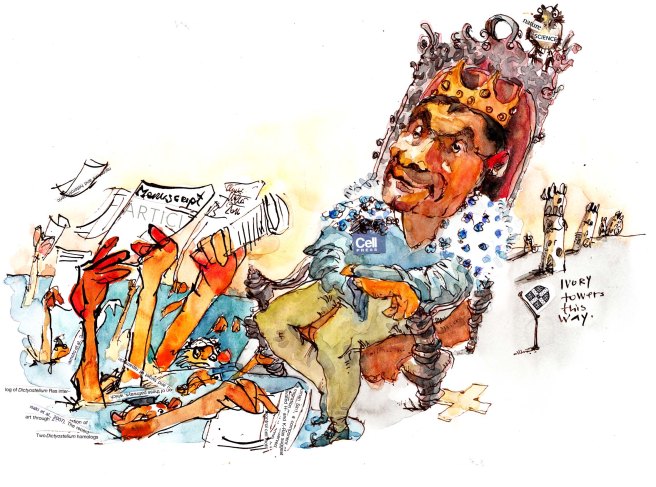
Who decides whether or not someone gets tenure? Continue reading

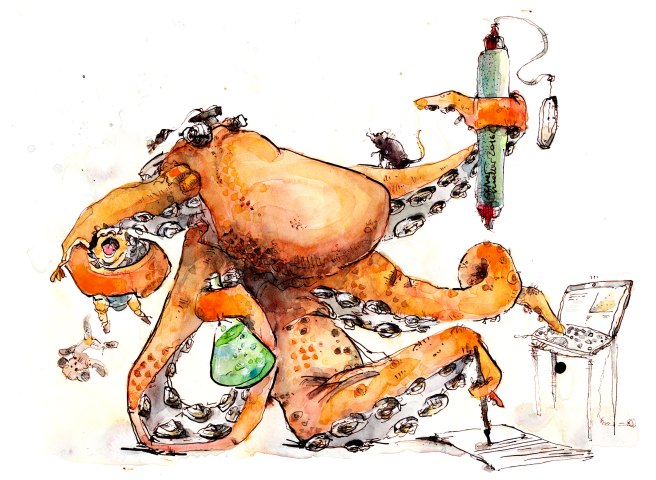
In the Marvel Comics universe, Dr. Octopus is one of Spider-Man’s principal antagonists. But there are plenty of real-life Dr. Octopuses out there – they’re called parents. Continue reading

In the latest “How to…” post, TIR will be offering some suggestions for how to write a scientific report or manuscript. A longer and more detailed version is also available for download. Continue reading

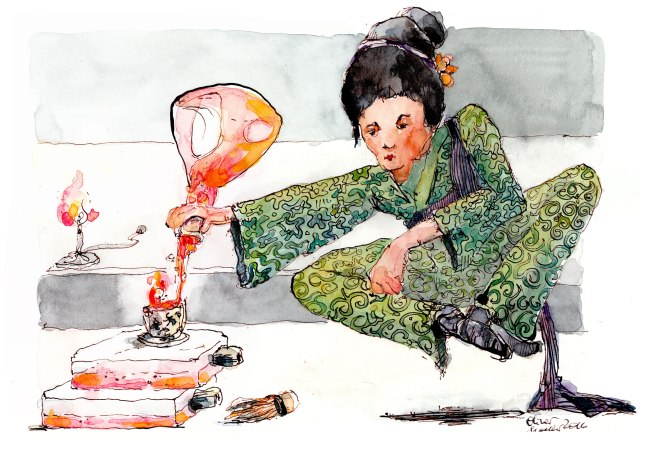
Scientists looking to improve their sterile technique would be wise to study the precepts of Japanese tea ceremony. Continue reading

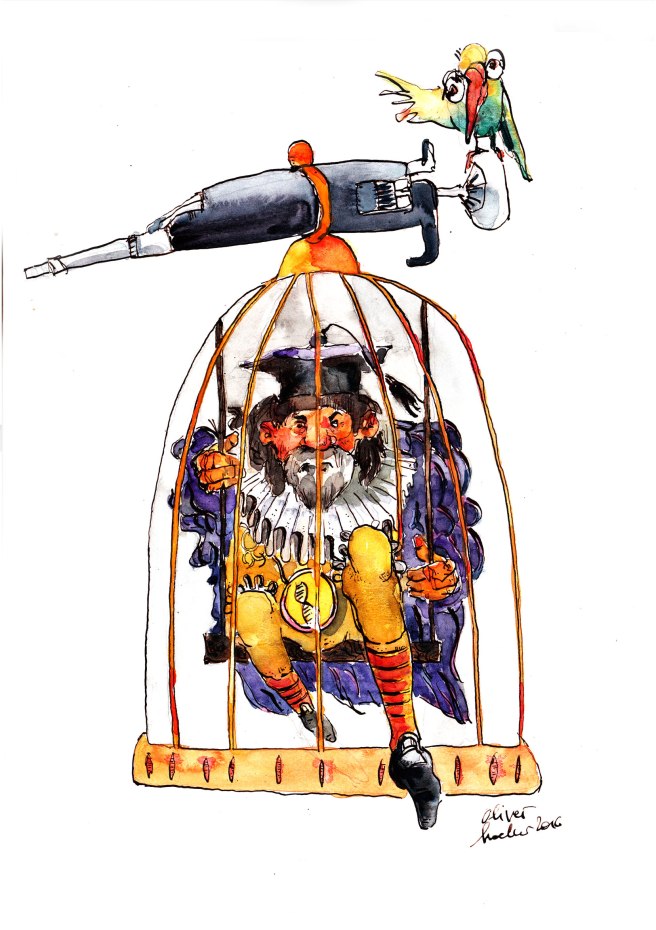
Protectionism is back in the news at the moment, so it seems timely to look back at one form of protectionism and its unlikely correspondence to science – the guild system. Continue reading

TIR‘s guide to asking questions in scientific seminars (“Catechism“) remains one of the most popular to date, and in a similar vein we’ll be producing a series of “How to…” guides to cover some of the essential but often counterintuitive skills needed by the modern researcher. First up: a short guide on how to write scientific English. Later on we’ll look at how to actually produce a full scientific report/paper. Continue reading

Historical accounts of the early days of molecular biology are always galvanising. The protagonists, bold in spirit and cheerful in manner, set off like Dick Whittington in search of their own (conceptual) fortune. With a trusty fellowship under their arm and a skip in their step, these intrepid postdocs jauntily unite with a chosen mentor before ultimately establishing their own independent laboratories. It always sounds thrilling, and beguilingly easy. Continue reading