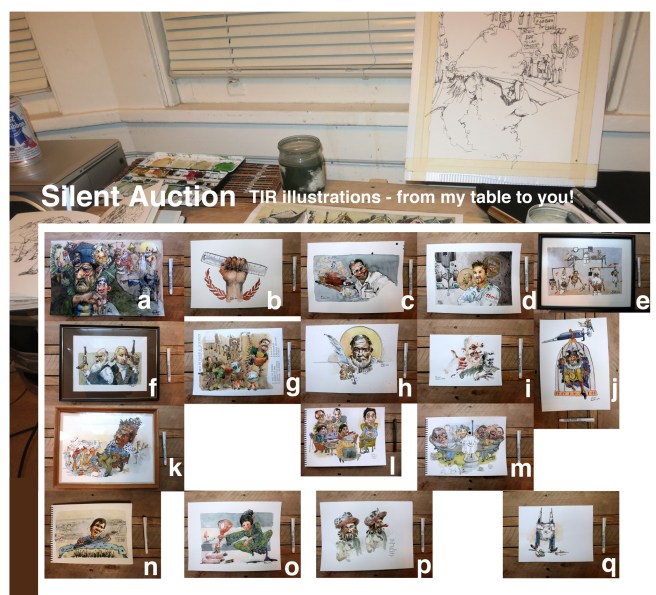
To coincide with Valentine’s Day and to mark the first year of TIR, we would like to make a special offer to our readers – a silent auction of some of Oliver’s unforgettable and iconic science illustrations! Continue reading

To coincide with Valentine’s Day and to mark the first year of TIR, we would like to make a special offer to our readers – a silent auction of some of Oliver’s unforgettable and iconic science illustrations! Continue reading

What’s the best portrayal of a scientist on TV? (Hint: it’s not who you think). Continue reading

TIR‘s guides to writing scientific papers, writing scientific English, and asking questions in seminars remain some of its most popular posts. But there’s one really important decision that comes before any of those things can happen – choosing a PhD. The choice of a PhD is one of the hardest decisions a young scientist has to make, partly because it’s very difficult to know what the relevant parameters are. Continue reading

Research nowadays is fixated with the notion of generating “high impact” work. “High impact” work is published in “high impact” journals and funding bodies are looking for “high impact” proposals to support. An appealing comparison can be drawn with the world of music, which has its own synonym for the phrase.
It’s “mainstream”.

In medicine, especially battlefield medicine, the triage system is used to ensure that time is apportioned in the most efficient manner possible. Adopting a similar system might make assessments in science more satisfactory, and fairer. Continue reading

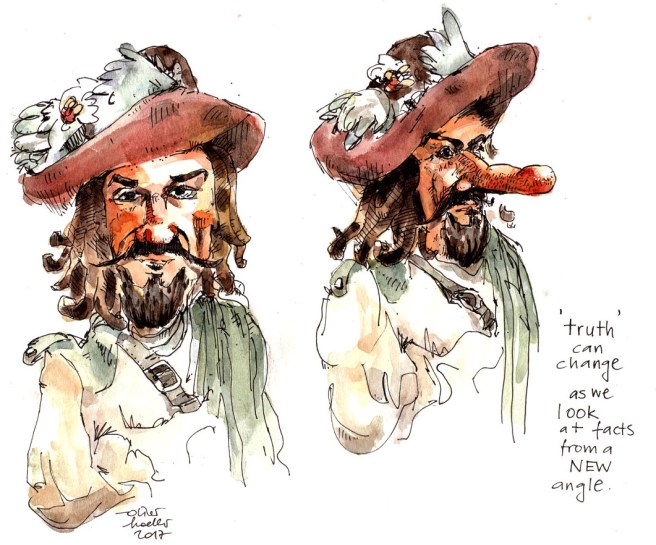
Fake news has been getting a lot of airtime recently, particularly in the wake of the American presidential election. There’s been much hand-wringing about how best to deal with the phenomenon, but the likelihood is that academics already have the solution.

Alchemists of the Middle Ages sought to discover the Philosopher’s Stone – a miraculous substance capable of transmuting base metals (e.g. lead) into noble ones (e.g. gold). Alchemy of a different kind goes on nowadays in scientific laboratories, but its goal is broadly the same – transforming undergraduates and postgraduates into mature scientists. Continue reading
![]()
A look back at TIR‘s first year of operations. Continue reading

Charles Dickens’ Yuletide classic “A Christmas Carol” is all about how the curmudgeonly Scrooge learns to lighten up and let the festive spirit in. But what would it be like if Scrooge was a scientist? Continue reading

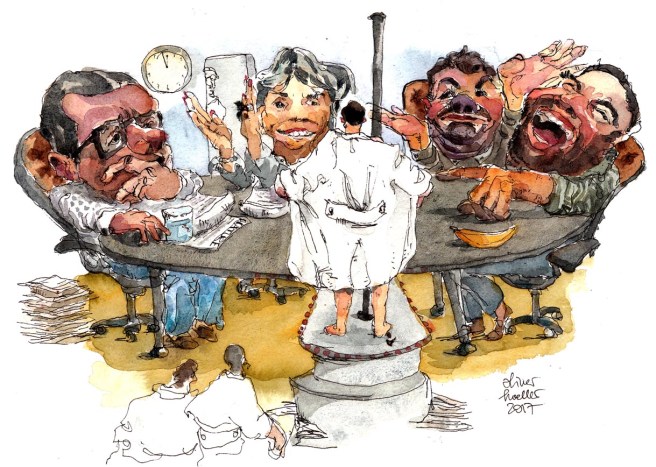
For a bunch of people who are supposed to be really smart, scientists spend a huge amount of time feeling really stupid. Partly it’s a Socratic thing – the more you learn, the more you realise how little you know – but it’s also because there are few professions more in thrall to the notion of genius. Continue reading