“It was a fact of life that there was no crueller master than an ex-slave” (Robert Harris, “Pompeii”). Continue reading

“It was a fact of life that there was no crueller master than an ex-slave” (Robert Harris, “Pompeii”). Continue reading

Do universities offer a service or a product?
This, at heart, is the existential crisis that’s been afflicting the university system over the last decade or so, maybe longer. The answer has varied from one country to another, and often in an unexpected way. Continue reading

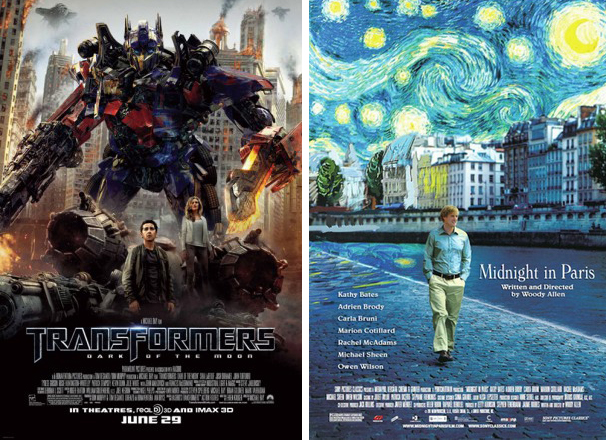
Are young scientists being encouraged to emulate Michael Bay? Continue reading

Science may be unique in human activities in that it produces a raw material instead of a product. Continue reading

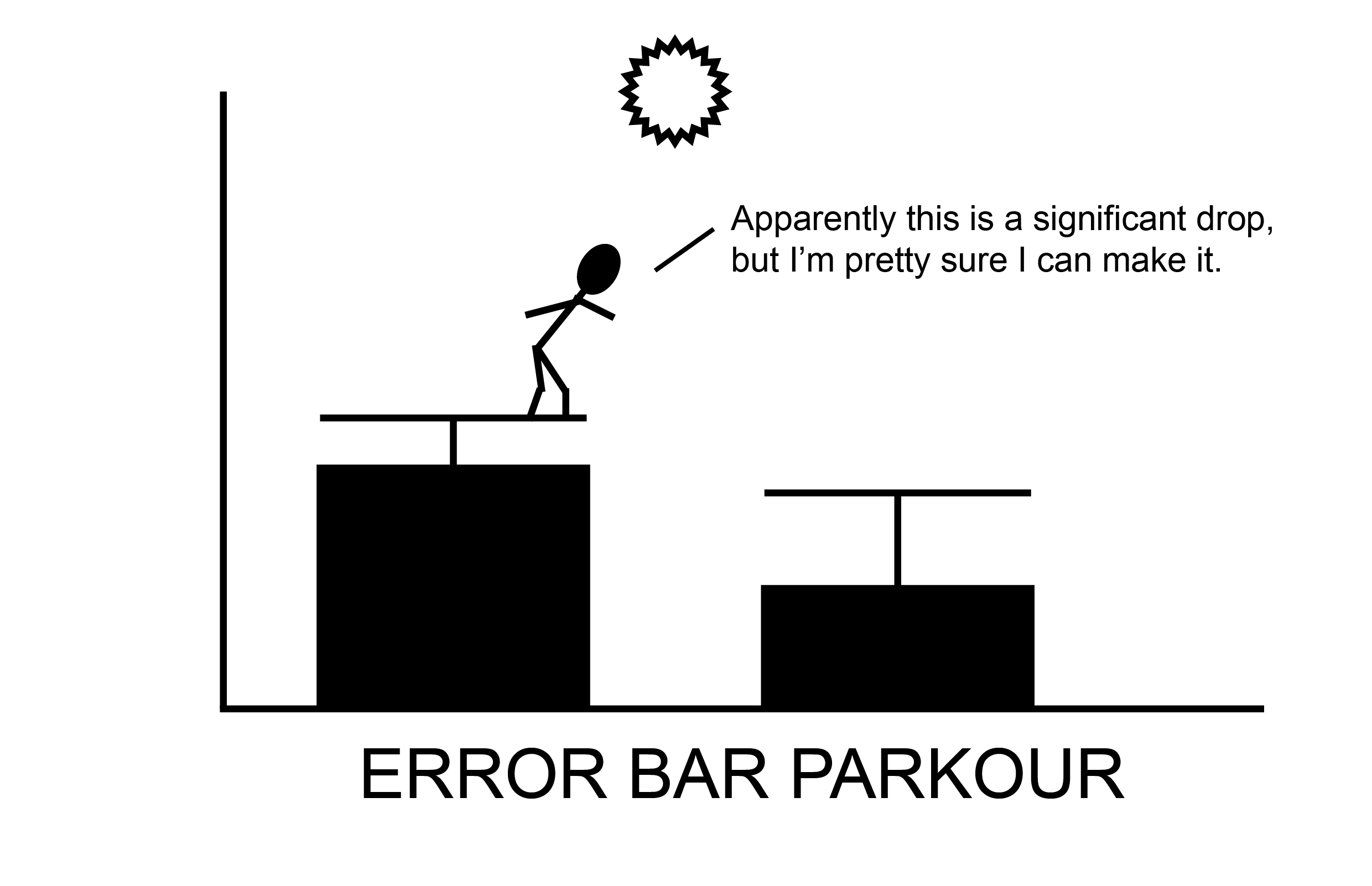
What’s the real purpose of scientific figures?
There’s a common misconception that they’re to show what we did. Continue reading

Could rugby teach scientists how to approach the review process?
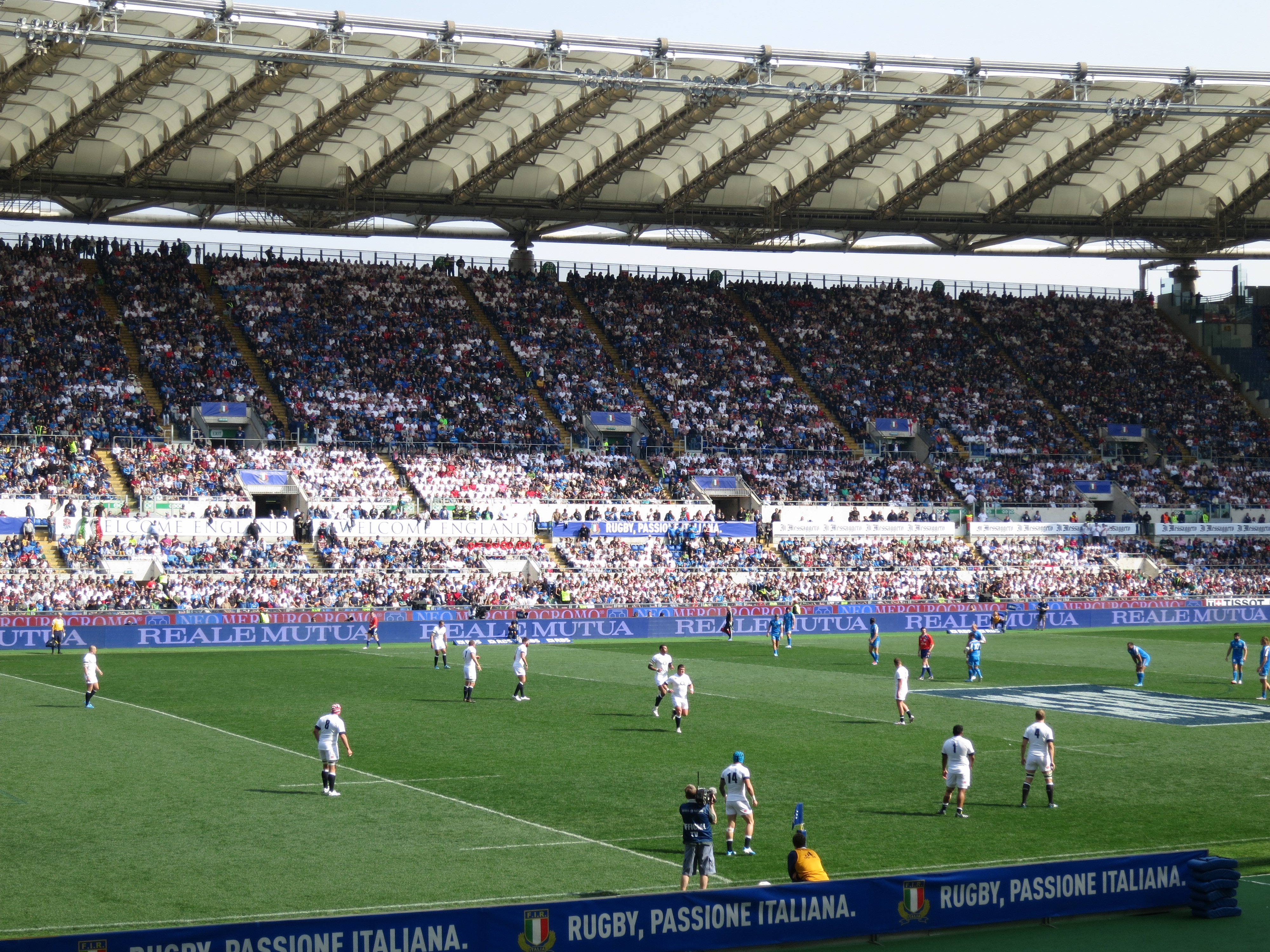
On the night before the England rugby team attempt to win a first Six Nations grand slam since 2003, it seemed appropriate to have a rugby-themed posting. For those who are not fans of the game with the funny-shaped ball, bear with me… Continue reading

Does the world of science offer us a view of human society in the future?
Russian astronomer Nikolai Kardashev proposed a scale to rank the development of civilizations going from 1, to 2, to 3. Type 1 civilizations utilise energy from the star at the centre of their solar system; type 2 civilizations can harness the entire energy of output of that star; type 3 civilizations can tap into cosmic sources of power, probably the black holes at the centre of their host galaxy.
Everyone agrees that human civilization is currently type 0 (don’t be downhearted!), but may attain type 1 status in around 200 years if we’re still going. What might that type 1 civilization be like though? Continue reading

It’s fairly well accepted that in the biological sciences roughly 50% of undergraduates are female, with a 50:50 sex ratio also continuing to postgraduate level (see HERE for US data). At postdoc there’s either parity or a slight skew towards men, and thereafter a steadily climbing rate of male occupancy as one climbs up the higher echelons of academia (LINK). (It’s even more male-biased in the physical sciences)
There has been much hand-wringing about this. Continue reading

Like it or not, most of us are doomed to be rapidly forgotten.
There’s a great moment in Anne Rice’s “Interview with the Vampire”, in which the brooding protagonist has been scouring the Earth for the oldest of the immortals. He finds his man in Paris, but is stunned to discover that the world’s oldest vampire is a relative juvenile of just a few hundred years’ age. Armand, the vampire in question, breaks it to him gently – although vampires can theoretically live forever, in practice they tend to fade away after a couple of centuries.
It’s an uncomfortable parable for any scientist, given that an oft-cited lure of the job is that tantalising chance of immortality. Continue reading

An obsession with publishing in three high-prestige journals is ruining careers and undermining good science.
Cell. Nature. Science. Three short words – but like another worshipped trio, their influence belies the simplicity of their names. These three journals exert a pathological and mesmeric hold on the entire biomedical research body, and it is high time that that spell was broken.
First off, and let’s get this in the clear so that there are no misunderstandings, it should be stressed that Nature and Science are terrible, terrible organs for the publication of scientific research. Continue reading