In the latest “How to…” post, TIR will be offering some suggestions for how to write a scientific report or manuscript. A longer and more detailed version is also available for download. Continue reading

In the latest “How to…” post, TIR will be offering some suggestions for how to write a scientific report or manuscript. A longer and more detailed version is also available for download. Continue reading
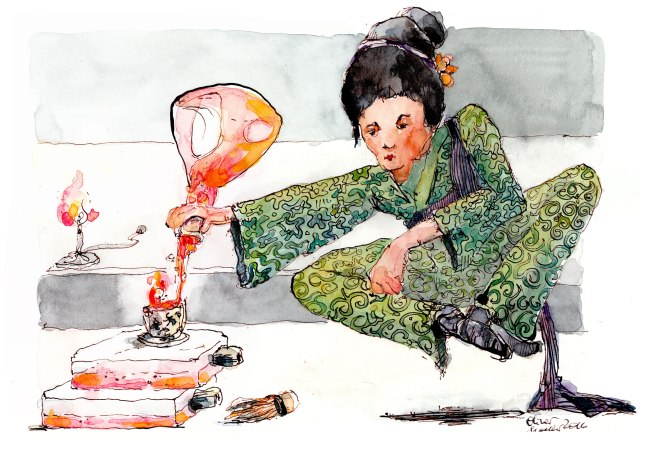
Scientists looking to improve their sterile technique would be wise to study the precepts of Japanese tea ceremony. Continue reading
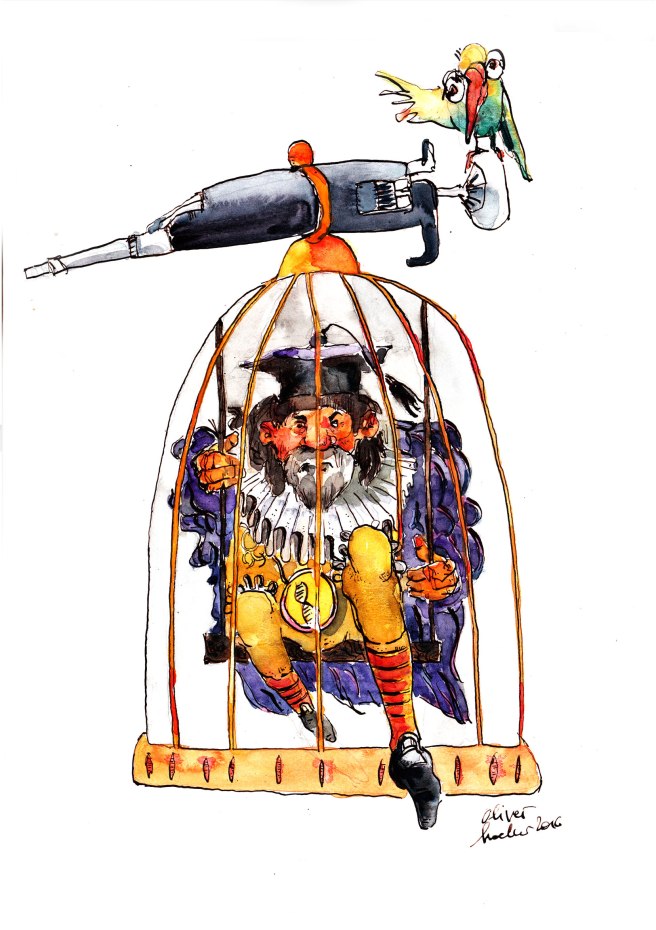
Protectionism is back in the news at the moment, so it seems timely to look back at one form of protectionism and its unlikely correspondence to science – the guild system. Continue reading

TIR‘s guide to asking questions in scientific seminars (“Catechism“) remains one of the most popular to date, and in a similar vein we’ll be producing a series of “How to…” guides to cover some of the essential but often counterintuitive skills needed by the modern researcher. First up: a short guide on how to write scientific English. Later on we’ll look at how to actually produce a full scientific report/paper. Continue reading

Historical accounts of the early days of molecular biology are always galvanising. The protagonists, bold in spirit and cheerful in manner, set off like Dick Whittington in search of their own (conceptual) fortune. With a trusty fellowship under their arm and a skip in their step, these intrepid postdocs jauntily unite with a chosen mentor before ultimately establishing their own independent laboratories. It always sounds thrilling, and beguilingly easy. Continue reading

TIR started posting in February 2016. Six months on, it welcomed its 1,000th visitor and I’m delighted to report that it’s taken only three months to double that total. A big thanks to one and all who have been reading, commenting on, and sharing the output. Much appreciated.
In this interval, freelance illustrator Oliver Hoeller has joined as TIR’s “artist in residence” and we very much hope you’ve enjoyed his (independent) interpretations of the themes of each posting. Could this be the new Alan Moore/Dave Gibbons combo? Time will tell…
In the coming weeks, we’ll be bringing you thoughts on postdoc fellowships, some more “how to” guides to continue the impulse started with the guide to asking questions in seminars, and much more!
So a big thanks again to all of you around the world who’ve been sampling what TIR has to offer. If you have any suggestions for future postings or stories that you think should be told, don’t hesitate to get in touch. And in the meantime – keep putting the word out.
Cheers,
Brooke Morriswood; October 2016.

Luck probably plays a larger part in science than most people are prepared to admit. In fact, its role (no pun intended) is probably as large as it is in the arts. Continue reading

What does it mean to be a scientist? Here’s TIR‘s take on the matter – a list of ten commandments. See what you think. Continue reading
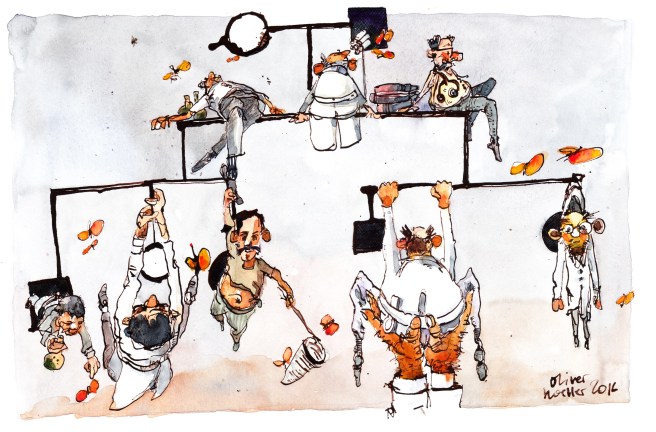
There’s one way in which the world of science strongly resembles the Roman Empire – its dynasties and pedigrees are formed not through blood, but through adoption. Continue reading

Adversarial interactions in the sciences can be grouped into two categories: competition between models*, and competition between labs. One is a stimulant and a spur to good science; the other a recipe for rancour and often a handicap to scientific progress. Continue reading
 Total Internal Reflection