Dashing in a rush (a short guide to hyphens, en-dashes, and em-dashes)

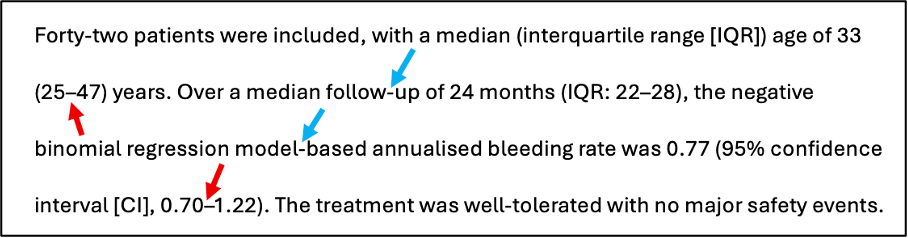
“I find it a major concern that throughout this manuscript”, wrote the reviewer, “there are stylistic patterns and phrasing which are characteristic of AI-generated text. This is exemplified by using different types of “-“ in parts of the Abstract (screenshot above).”

The words are paraphrased and the screenshot above is a fictionalised recreation of the supplied one, but the review was real – like many scientists nowadays, the reviewer was clearly concerned at what appeared to be the unacknowledged use of AI to write large chunks of text.

The problem? The text was 100% human-generated, and the different dashes that the reviewer highlighted were in fact being used correctly.

Continue reading →

MedComms is not SciComm

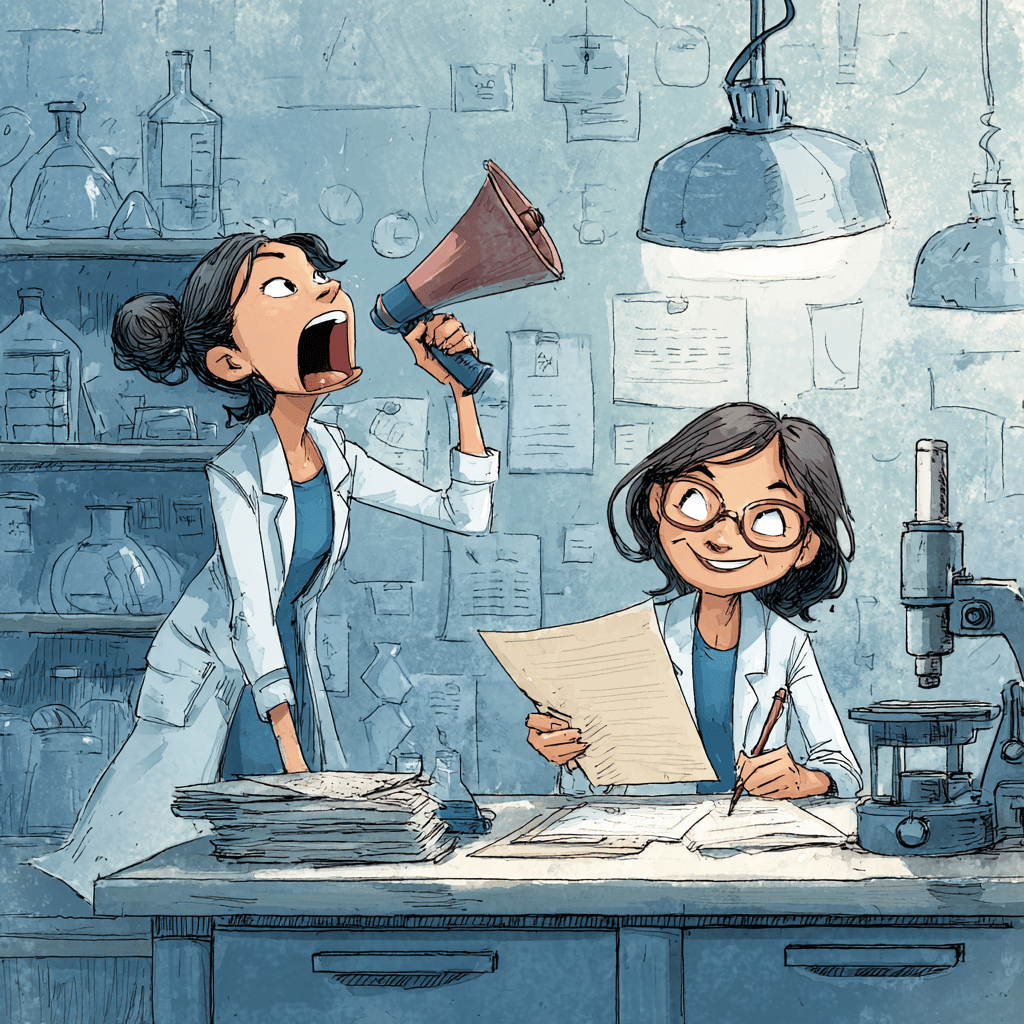
When scientists assess career options outside academia, there’s a prevailing misconception that MedComms is a variant of SciComm. 

The trap, after all, is right there in the name. SciComm = science communication, MedComms = medical communications, so MedComms must basically be the same activity but dealing with medicine instead of scientific research, right?

Wrong. Here’s why. 

Continue reading →

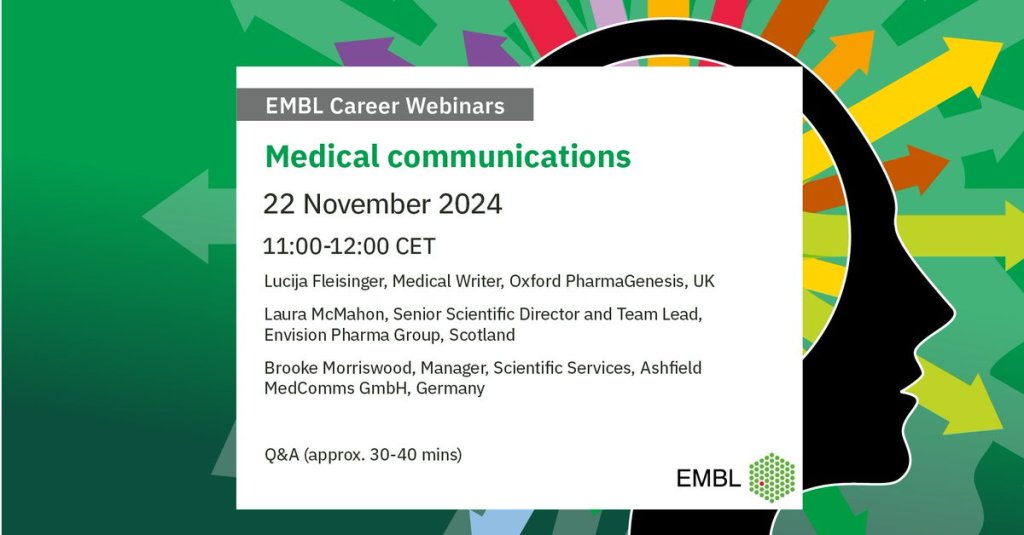
The magic of MedComms: an EMBL Careers Webinar

Medical Communications (MedComms) might just be the best industry career option out there for scientists who most enjoy the writing/communicating/organising parts of the job, and on 22nd November 2024 the EMBL Fellows’ Careers Service hosted a webinar about it. The panel members were:

Continue reading →