
Dashing in a rush (a short guide to hyphens, en-dashes, and em-dashes)

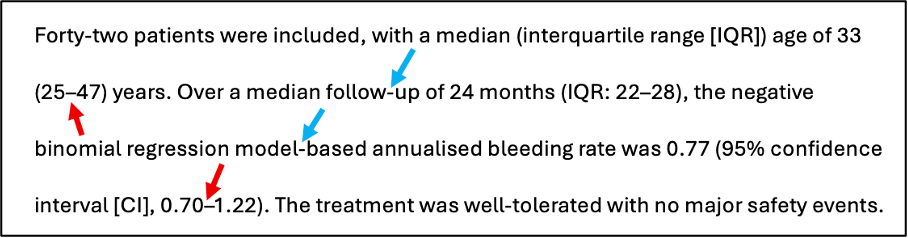
“I find it a major concern that throughout this manuscript”, wrote the reviewer, “there are stylistic patterns and phrasing which are characteristic of AI-generated text. This is exemplified by using different types of “-“ in parts of the Abstract (screenshot above).”

The words are paraphrased and the screenshot above is a fictionalised recreation of the supplied one, but the review was real – like many scientists nowadays, the reviewer was clearly concerned at what appeared to be the unacknowledged use of AI to write large chunks of text.

The problem? The text was 100% human-generated, and the different dashes that the reviewer highlighted were in fact being used correctly.

Continue reading →

The Dunning-Kruger chainsaw massacre

Just over a year ago, I wrote about the “chainsaw massacre” being perpetrated by Elon Musk and his acolytes at DOGE. At the time, these were the most visible elements – the most visible outrages – of the Trump Administration’s war on science and coupled to the beginnings of the anti-DEI ouster, suggested two initial impulses at work: a backlash firstly against the data-driven nature of scientific decision-making (anathema to those who wish to do as they will, unencumbered by facts, details, or restraints), and secondly against merit-based advancement (because education is the great equaliser and facilitates promotion through ability rather than patronage).

Continue reading →