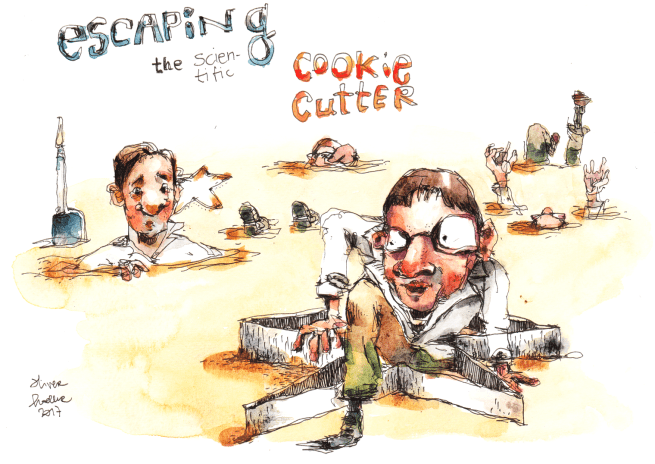
Students and postdocs cannot simply be clones of their mentor. Continue reading

Students and postdocs cannot simply be clones of their mentor. Continue reading
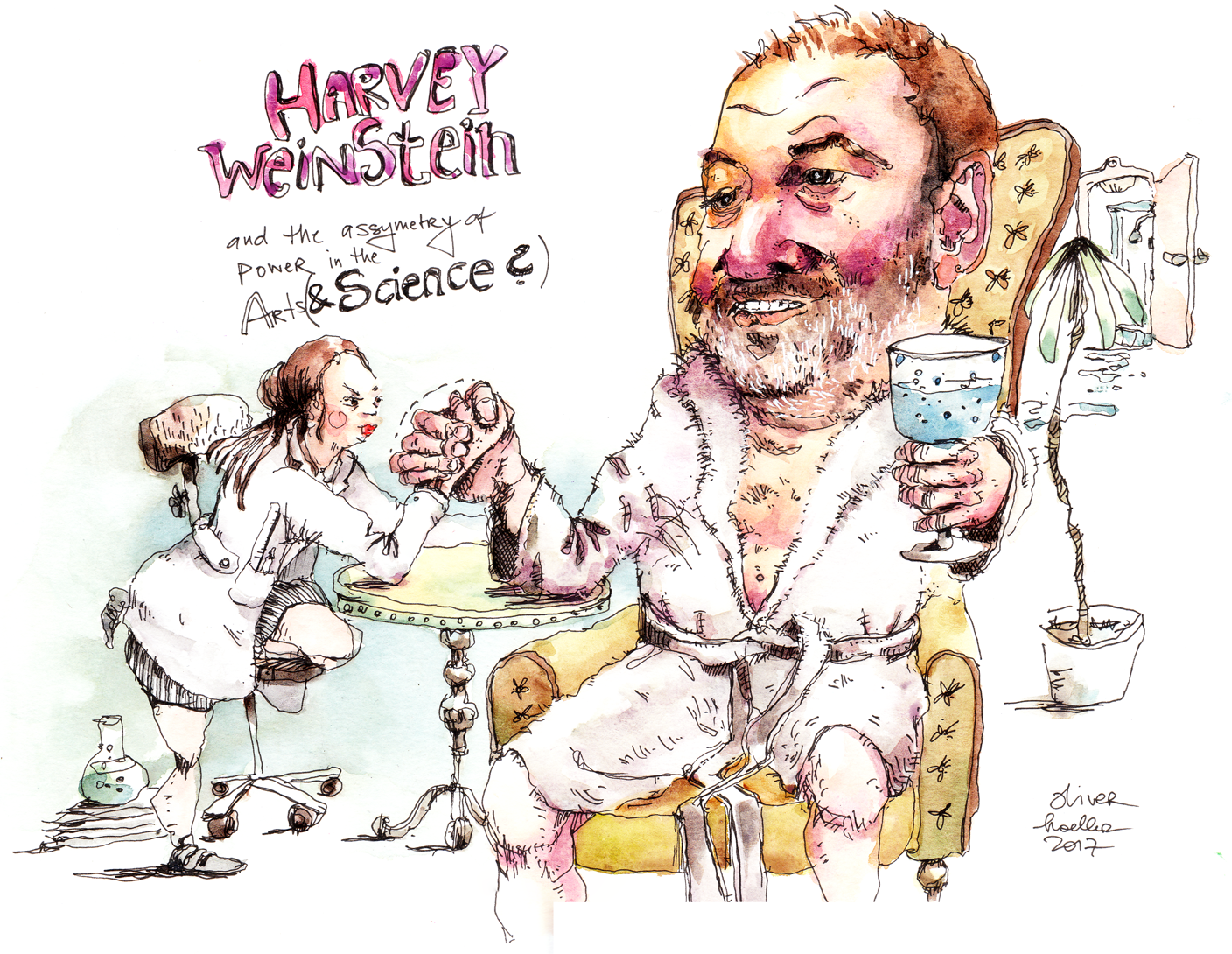
The sordid revelations about Harvey Weinstein will come as little surprise to those in academia.
Continue reading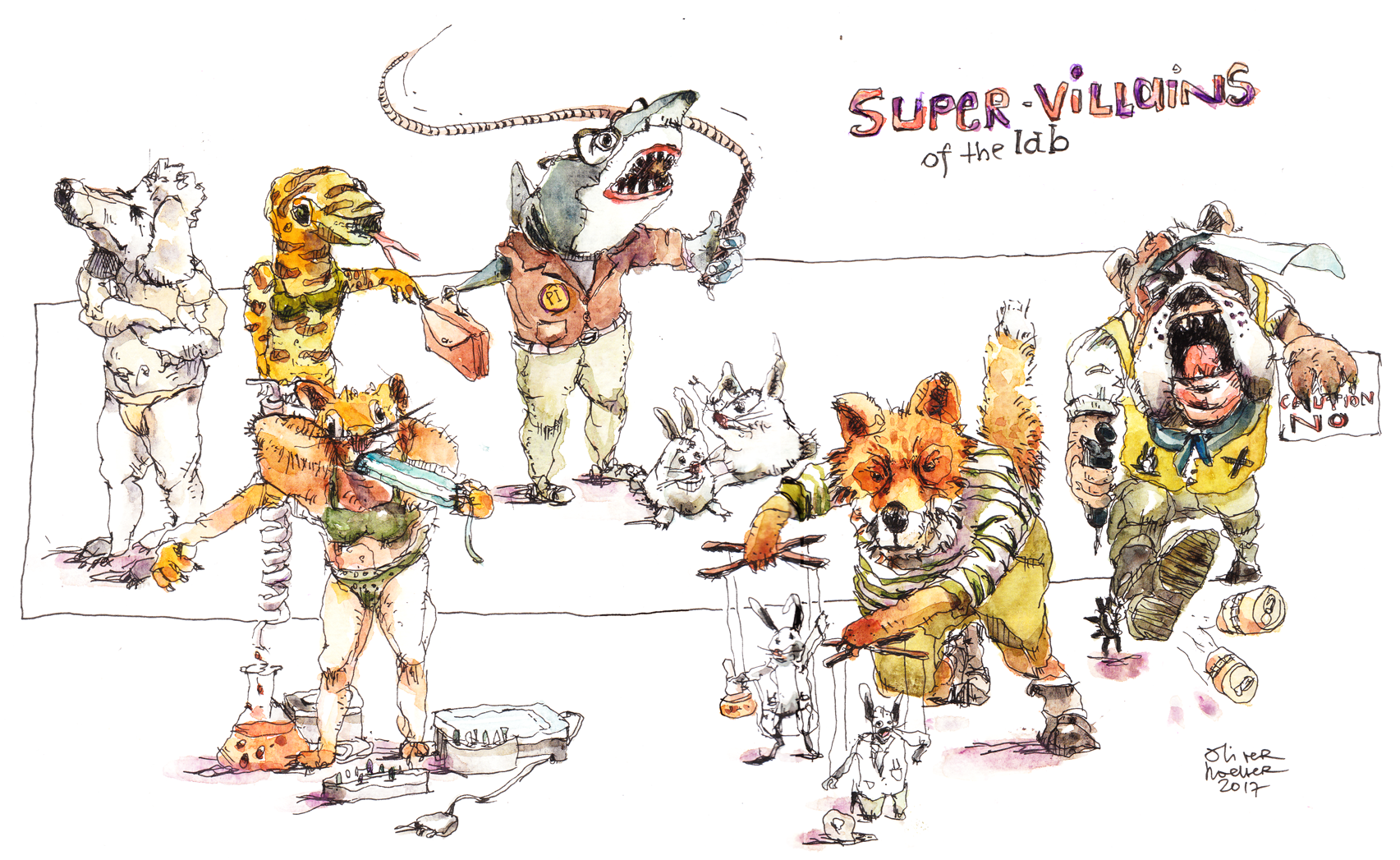
We recently looked at the Superheroes of the Lab, everyday scientists you’ve probably met who are harbouring different kinds of superpowers. This week, we’ll be looking at their implacable antagonists – the lab fiends.
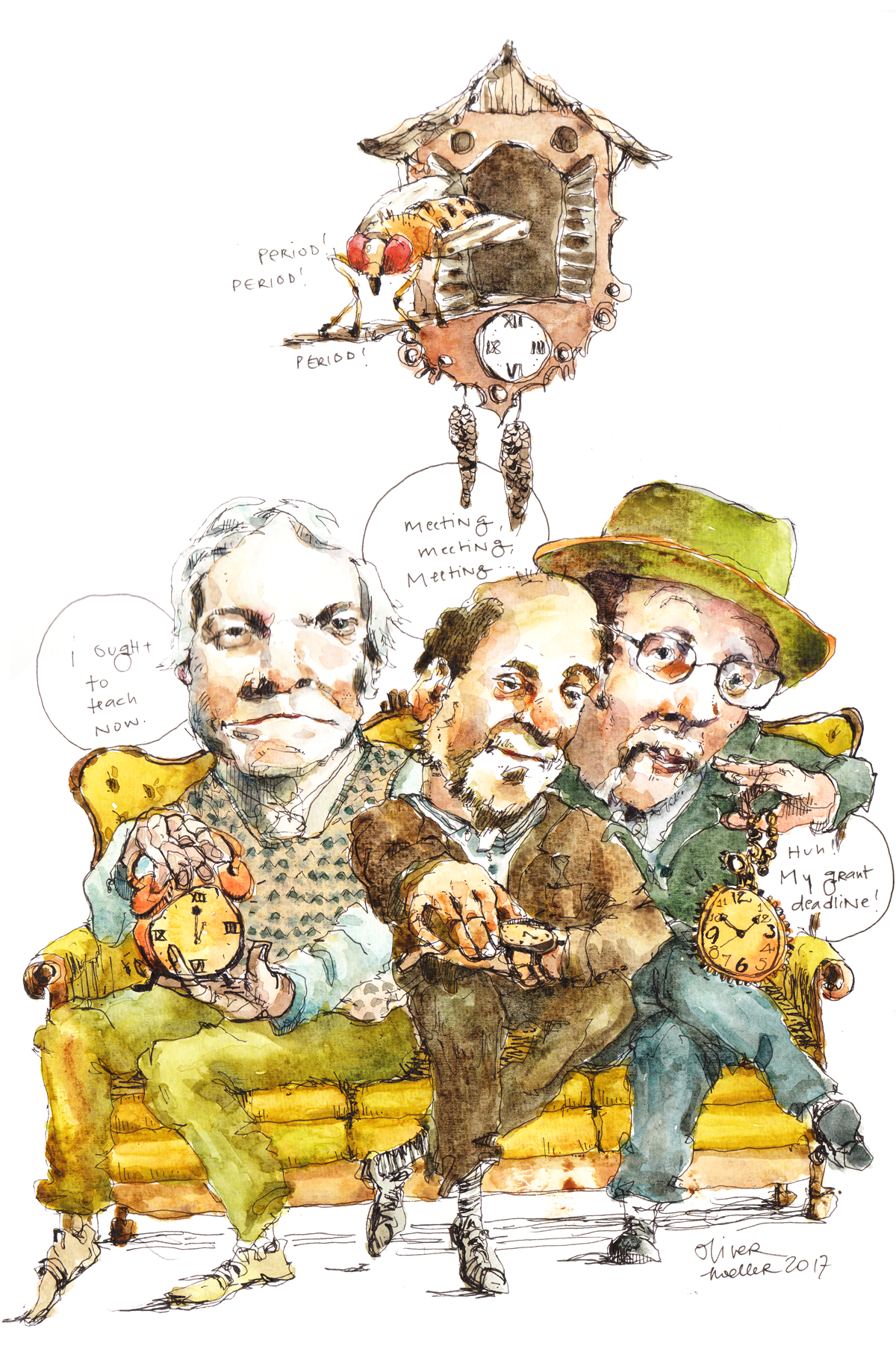
Life seems to be getting faster and faster in the modern age – we no longer kill time, we try to save it. Continue reading
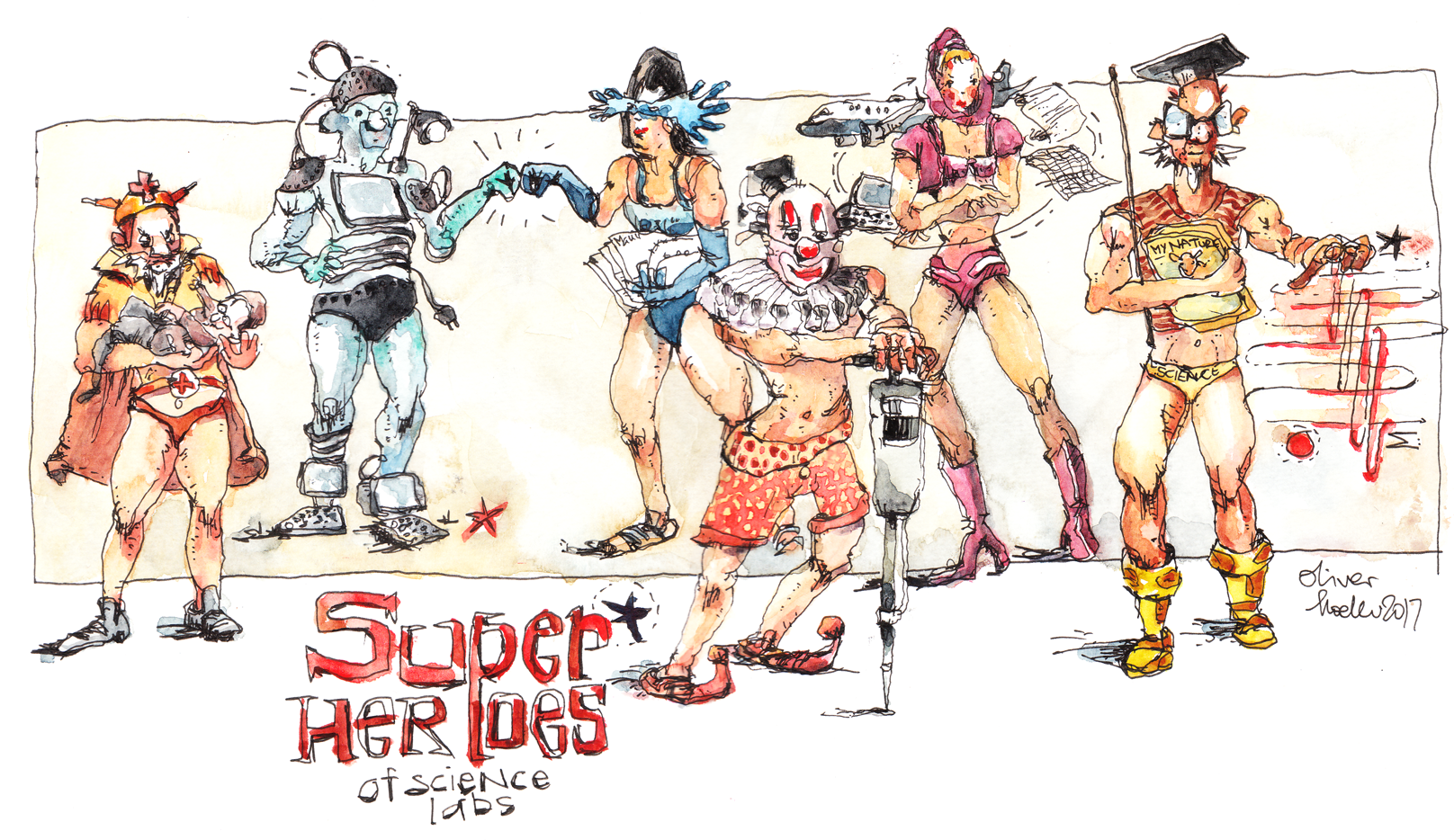
The superhero craze shows no sign of abating in Hollywood, but a research lab remains as likely a place as any to find unusual talents (after all, how many Marvel characters were created as a result of experiments?). Here, in the first of a two-part series, is TIR’s guide to the superheroes of the lab – science’s own Suicide Squad? Continue reading
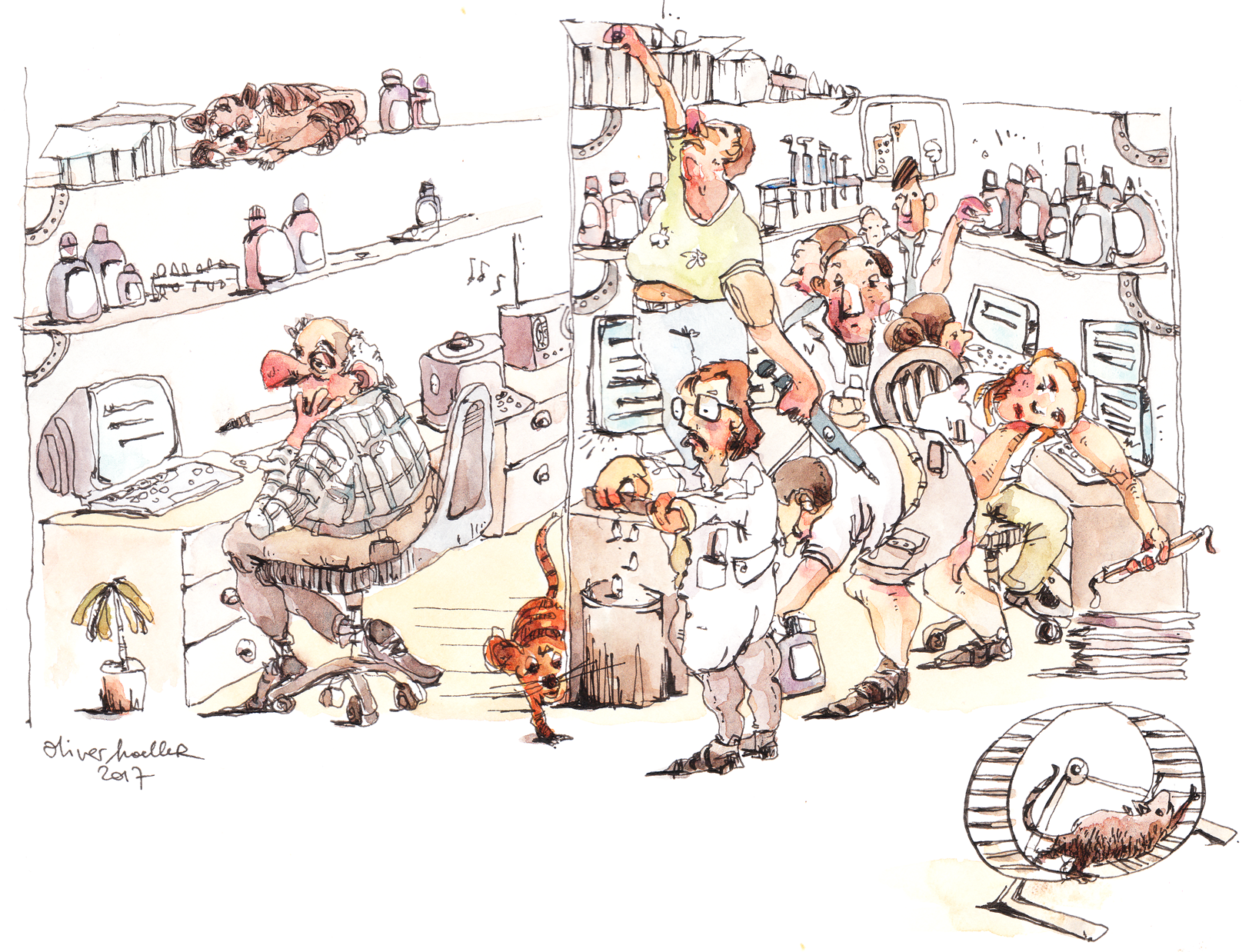
There’s a passage in “Lark Rise to Candleford”, Flora Thompson’s eloquent eulogy to pre-industrial Britain, where she recounts staying near Northampton with an aunt. Her aunt’s husband is a shoemaker, one of the many independent artisans of the time plying his trade in laces and leather. Continue reading

A quick tip of the hat this week from TIR to Nature Communications. In an editorial published on September 12, they have announced that from now on they will list (on an opt-in basis) all preprints undergoing review for publication in the journal. The move is an important step in the ongoing change to the way that priority of discovery is determined in research. Continue reading
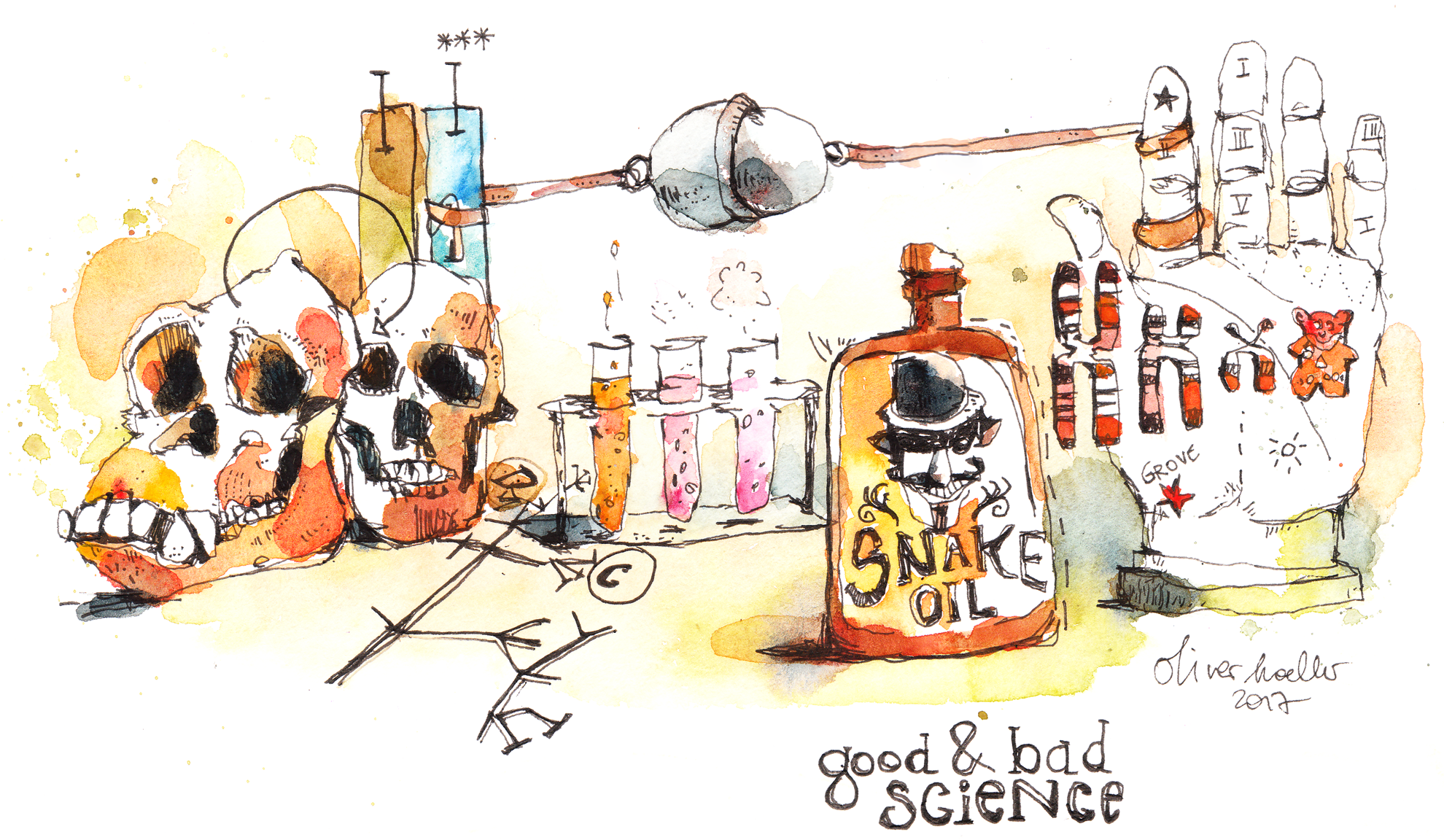
What do good scientific research and hardcore pornography have in common? Continue reading

With the reproducibility crisis in science showing no signs of abating, it’s never been more important to clearly communicate how rigorously your data were obtained. Here’s TIR’s short guide to technical replicates, biological replicates, independent experiments, and what they do and don’t tell you. Continue reading
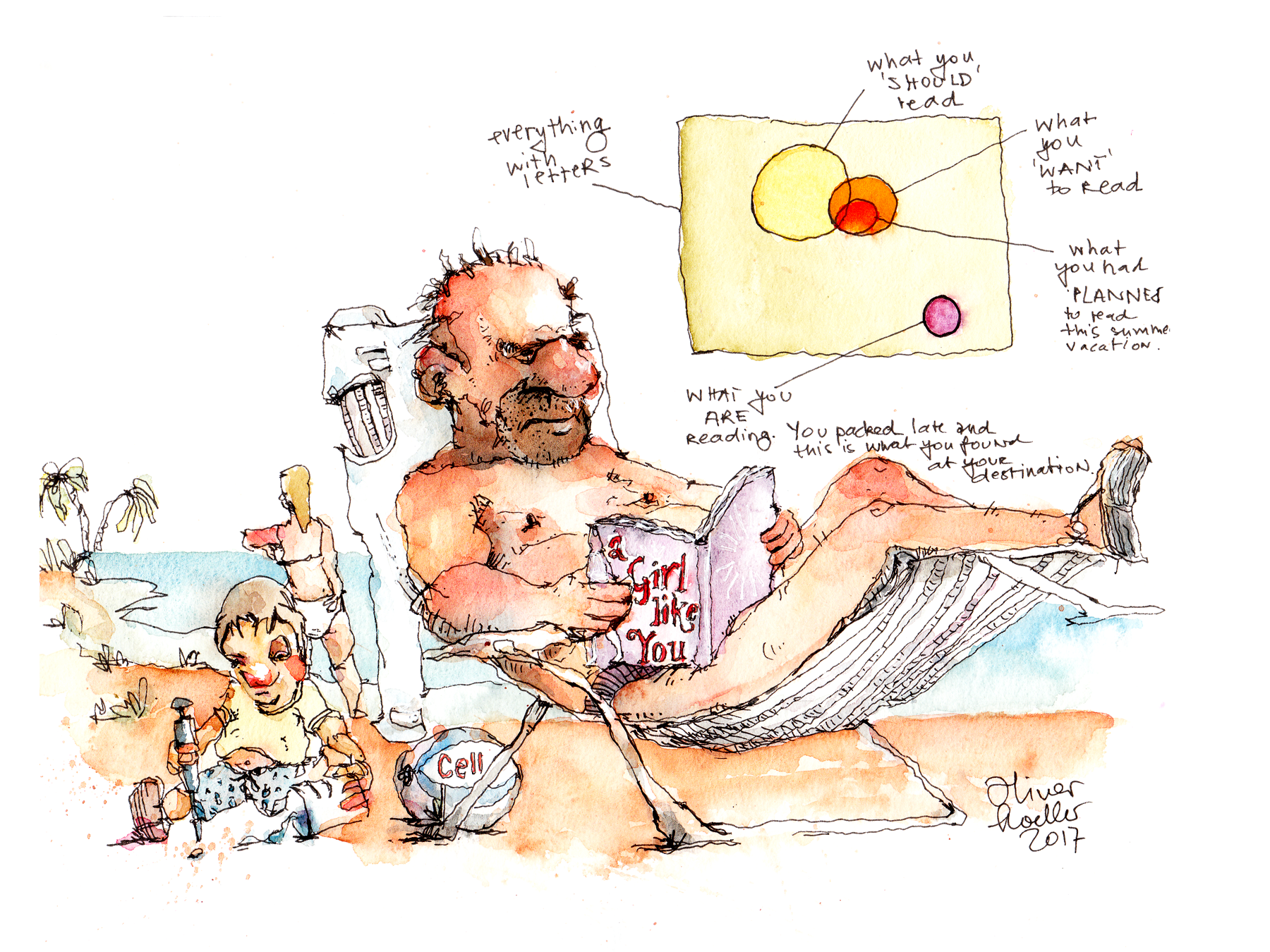
TIR will be on holiday the next couple of weeks. While we’re away, here’s a selection of literary treats (mostly, but not wholly, science-based) to keep you engrossed wherever you are. Best wishes for a long and enjoyable summer to all our readers!

