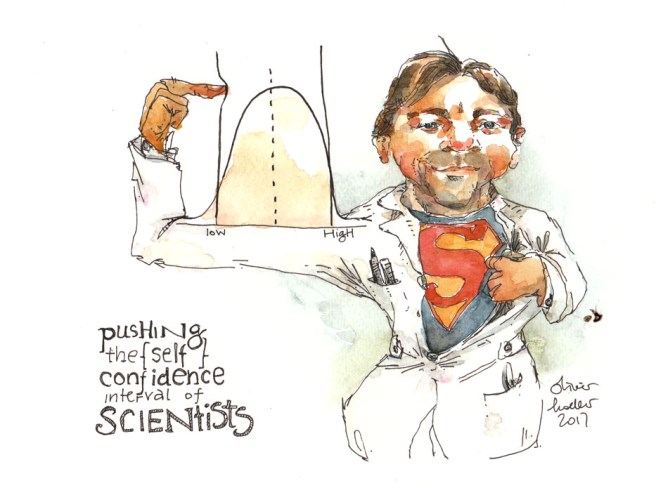
“When I am in the company of scientists,” observed the poet W. H. Auden, “I feel like a shabby curate who has strayed by mistake into a drawing room of dukes.” Continue reading

“When I am in the company of scientists,” observed the poet W. H. Auden, “I feel like a shabby curate who has strayed by mistake into a drawing room of dukes.” Continue reading
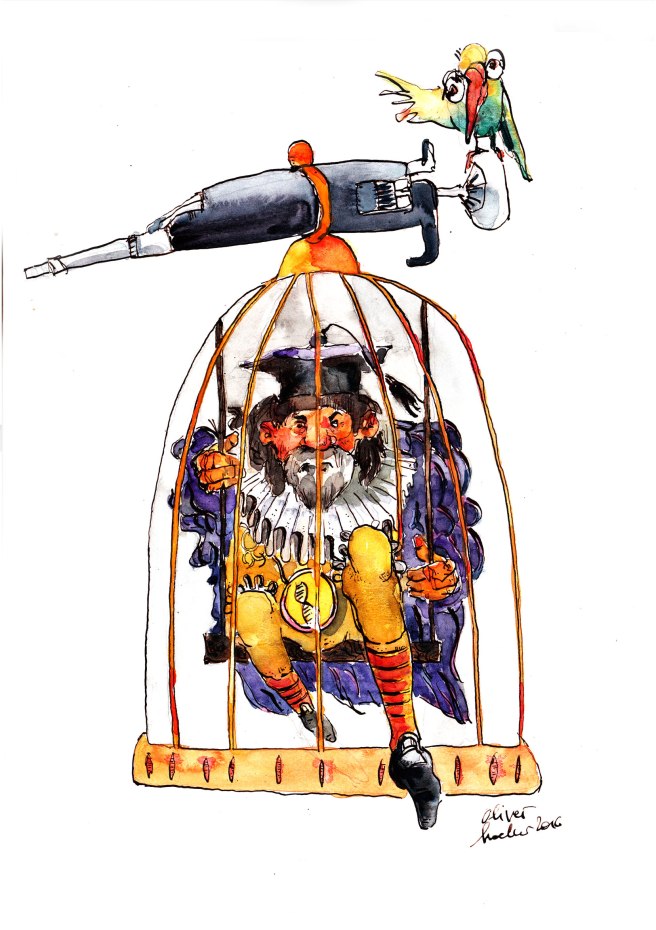
Protectionism is back in the news at the moment, so it seems timely to look back at one form of protectionism and its unlikely correspondence to science – the guild system. Continue reading

What does it mean to be a scientist? Here’s TIR‘s take on the matter – a list of ten commandments. See what you think. Continue reading
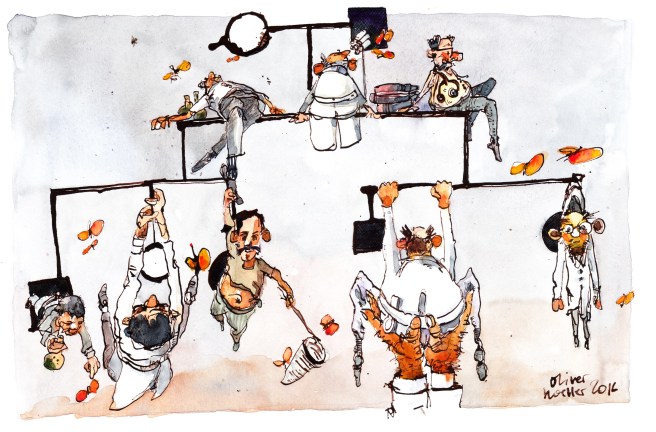
There’s one way in which the world of science strongly resembles the Roman Empire – its dynasties and pedigrees are formed not through blood, but through adoption. Continue reading
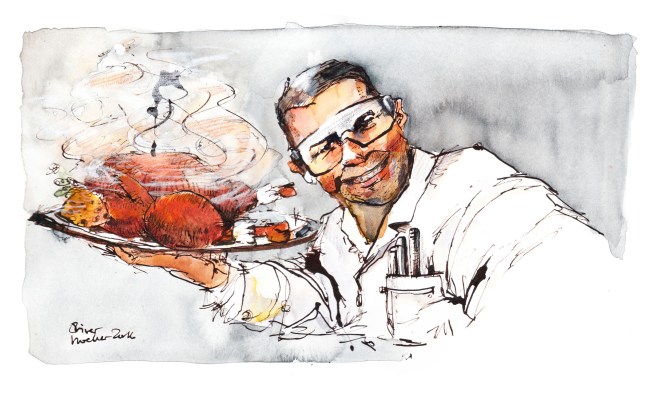
In conversation, it’s not unusual for people to baulk when you tell them you’re a scientist. “Oh, I wouldn’t understand any of that” is a line you’ll hear over and over again. “Rubbish!” is a good response: “It’s just like cooking – but with tiny volumes!” Continue reading

The most important equilibrium in research isn’t chemical, it’s psychological. It’s the one that governs the oscillation between confidence and doubt. Continue reading

Science counts as one of the very few truly international careers out there – not simply being in an office somewhere else in the world, but actually working alongside people of all nationalities, races, and creeds. The current lingua franca for publications and conferences may be English, but the average scientific institute or department is a Babel of different tongues depending on who’s talking to who and when.
What do you get from going abroad? Some opportunities are the same as would come from relocation within your own country – a chance to learn new techniques, and bring something new to the group that you join. In that sense then, if you originate from a research powerhouse like the USA, Germany, UK, or France then in theory there’s little reason to cross the border and seek your fortune somewhere else.
Or is there? Continue reading
I was riding a train back from Munich recently and a headline on a free magazine caught my eye. “Einer für Alles”, proclaimed the headline over a picture of youngish German theatre director Florian David Fitz, “Er schauspielert, schreibt, und fuhrt Regie”. (He acts, writes, and directs)
It’s clearly a broad portfolio for one of our cousins in the Arts, and one that few manage to replicate. Yet acting, writing, and directing are essentially different facets of the same process – the writer constructs a part, the performer brings it to life, and the director guides and oversees the process. Shifting between these roles, while undeniably challenging, is primarily a shift in perspective and responsibility (are you taking charge of one character, or many?).
Conversely, a scientist must be an able experimentalist, a good writer, a good presenter, a good teacher, and a good leader and mentor. And these activities have far less in common than writing/acting/directing for theatre – the scientific mindset must be channelled into a wide range of academic conduits, few of which come naturally. Continue reading

Do universities offer a service or a product?
This, at heart, is the existential crisis that’s been afflicting the university system over the last decade or so, maybe longer. The answer has varied from one country to another, and often in an unexpected way. Continue reading

Are young scientists being encouraged to emulate Michael Bay? Continue reading
 Total Internal Reflection