If I’d known quitting felt this good, I would have sent in my resignation letter a lot earlier.
Continue reading
If I’d known quitting felt this good, I would have sent in my resignation letter a lot earlier.
Continue reading
You always feel better after throwing up, and that’s kind of where the world is right now.
Continue reading
I might be leaving academia, but I’ve no regrets about staying as long as I did.
Continue reading
So, now it’s public – in January I wrote to my head of department to say I was resigning from all positions I hold at the University of Würzburg – group leader in the Department of Cell & Developmental Biology, manager of the Germany-wide research focus network on “Physics of Parasitism”, and designated successor as student coordinator for the Faculty of Biology.
I’m leaving academia.
Continue reading
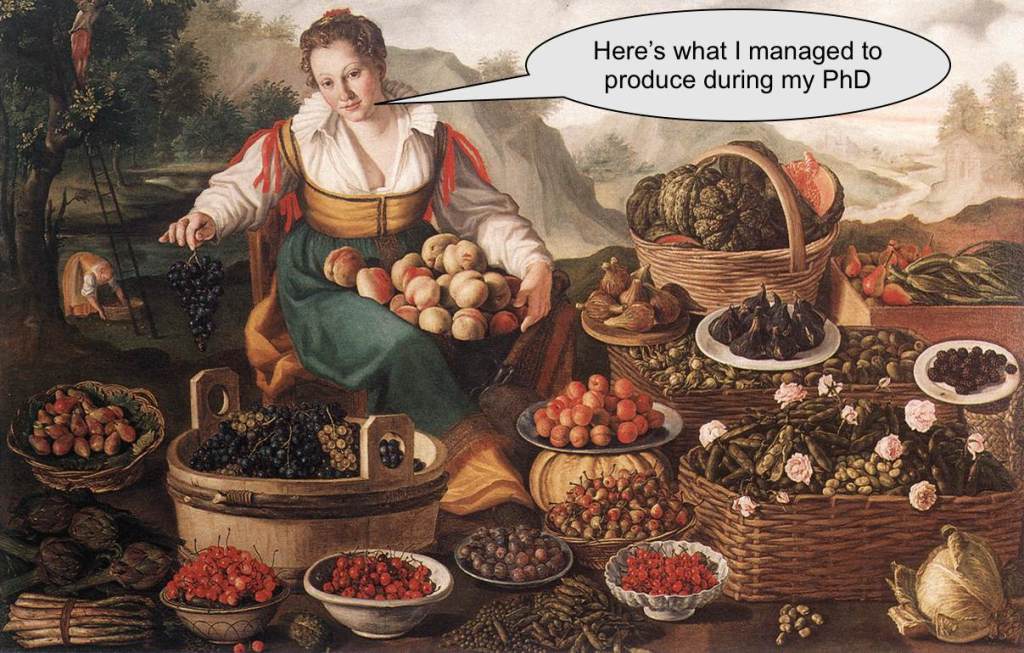
TIR has previously provided a general summary of how to write scientific reports/papers, as well as more detailed and specific advice on writing Figure legends and Materials & Methods sections. Now we turn our attention to the real food & drink of any manuscript: the Results section.
Continue reading
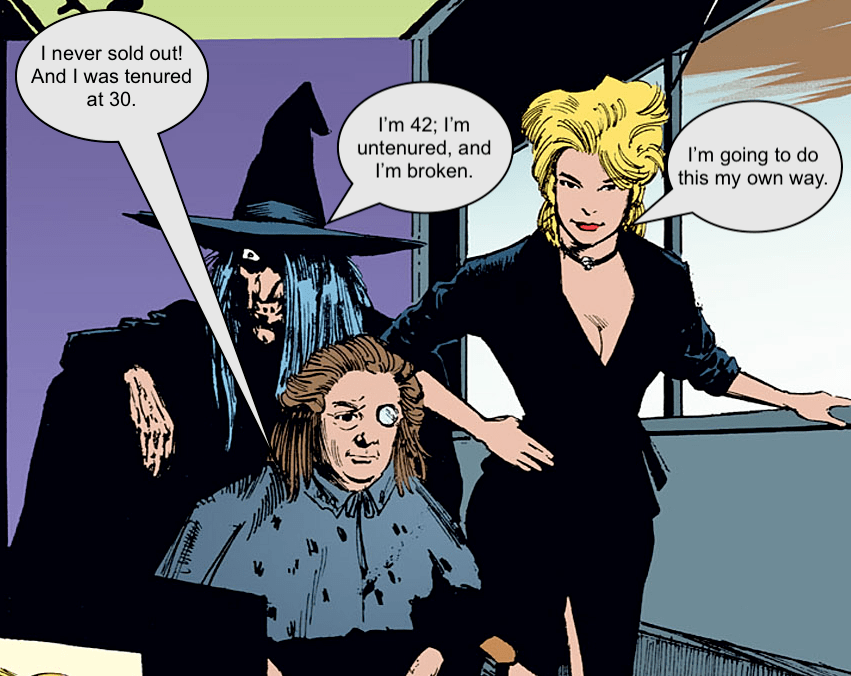
Might abandoning the vocational aspect of academia in favour of a 9-to-5 commitment be better for all of us? And is it happening already?
Continue reading
A look back at a rather rocky 7th year of operations – 2022 was the year that seemed to race by in a matter of hours, but which also felt as though it aged me five years.
Continue reading
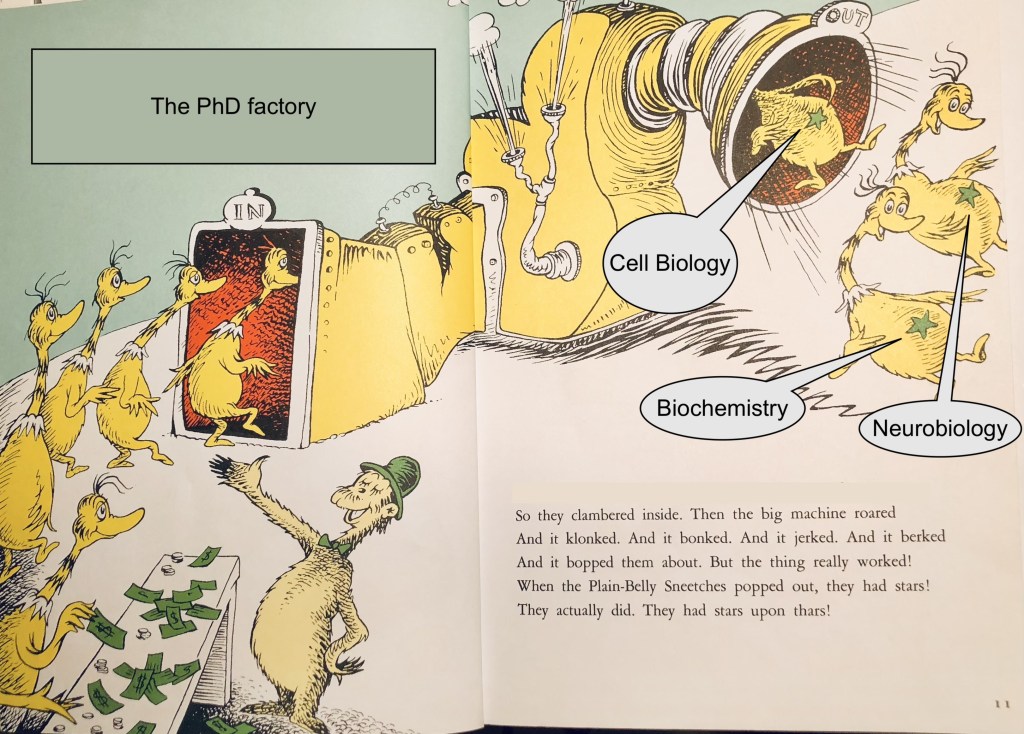
The Stanford president’s uncomfortable shortcomings in terms of research integrity will come as no surprise to those familiar with the dynamics of scientific career progression.
Continue reading
Are you a moustache fan? To conclude Movember 2022, here’s our annual celebration of some great minds and the great moustaches that went (just) before them. Links to instalments I-V can be found at the end for real moustache aficionados.
For those unfamiliar with the concept, the Movember Foundation is a charity focused on men’s health issues – prostate cancer, testicular cancer, suicide prevention, and mental health in particular. “Mo Bros” grow moustaches – sometimes dashing, sometimes daft – for the 30 days of November in order to help raise awareness of these issues. It’s fun, and it’s important.
Continue reading
Highlighting good-quality work post-publication might be more feasible and of more value than attempting to police data integrity.
It’s the dream of open science: people post their work online, the community reviews it and provides constructive feedback, and then the authors correct their findings based on that feedback. Any new knowledge produced is rapidly and expertly assessed by the community as a whole, thereby maximising the input that the authors receive as they continue to pursue their lines of enquiry. Everyone participates, everyone benefits.
It sounds great, right? The problem is that almost nobody in the community voluntarily reviews others’ work. We’re all too busy. Peer review is a community service that does not have the cold hard reputational currency of grants and publications, and while appreciated, it is nonetheless undervalued in career terms. Preprints have belatedly and wonderfully achieved mainstream recognition in the biological sciences, but the majority of chatter for the majority of preprints is publicity-based. The comments area of most preprints is empty, with only around 8% of accruing public input.
Continue reading