
If you’re acquainted with the scientific literature, whether it’s papers, grants, or press releases, chances are that the following word formulae will be very familiar: Continue reading

If you’re acquainted with the scientific literature, whether it’s papers, grants, or press releases, chances are that the following word formulae will be very familiar: Continue reading
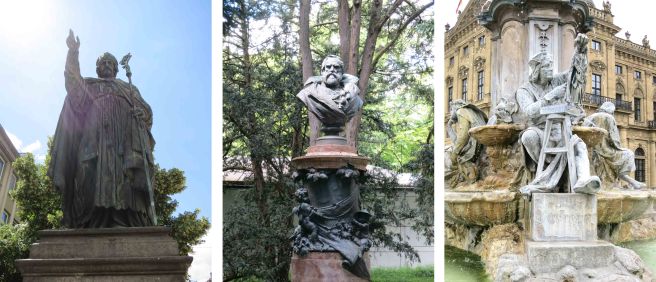
Whether you’re working in the world of commerce, sports, science, or just about any sphere of human endeavour, chances are that if you progress far enough you’ll be asked to take responsibility for leading a team. But to do so successfully – in other words, to get the best out of people – is far from easy, or straightforward. Continue reading
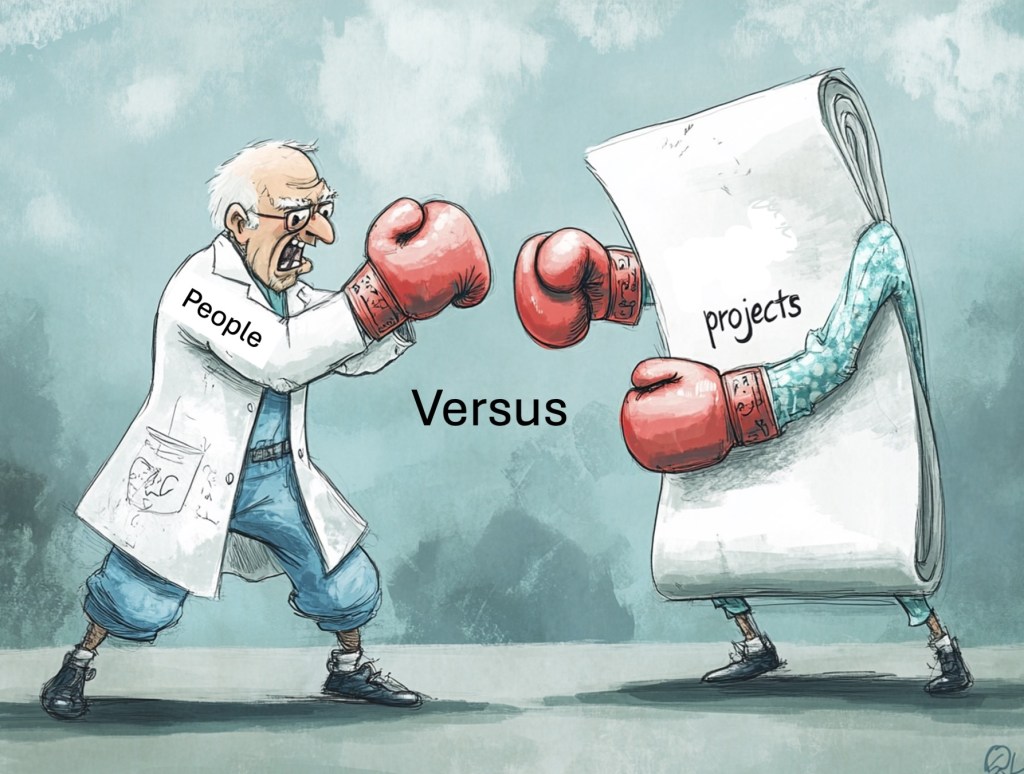
It’s one of the trickiest conundrums in the whole research enterprise – should you fund people, or projects? Ernst Gombrich opined in his History of Art that “There really is no such thing as art. There are only artists”, but when it comes to research money, where should it be directed – to the science, or the scientists? Continue reading
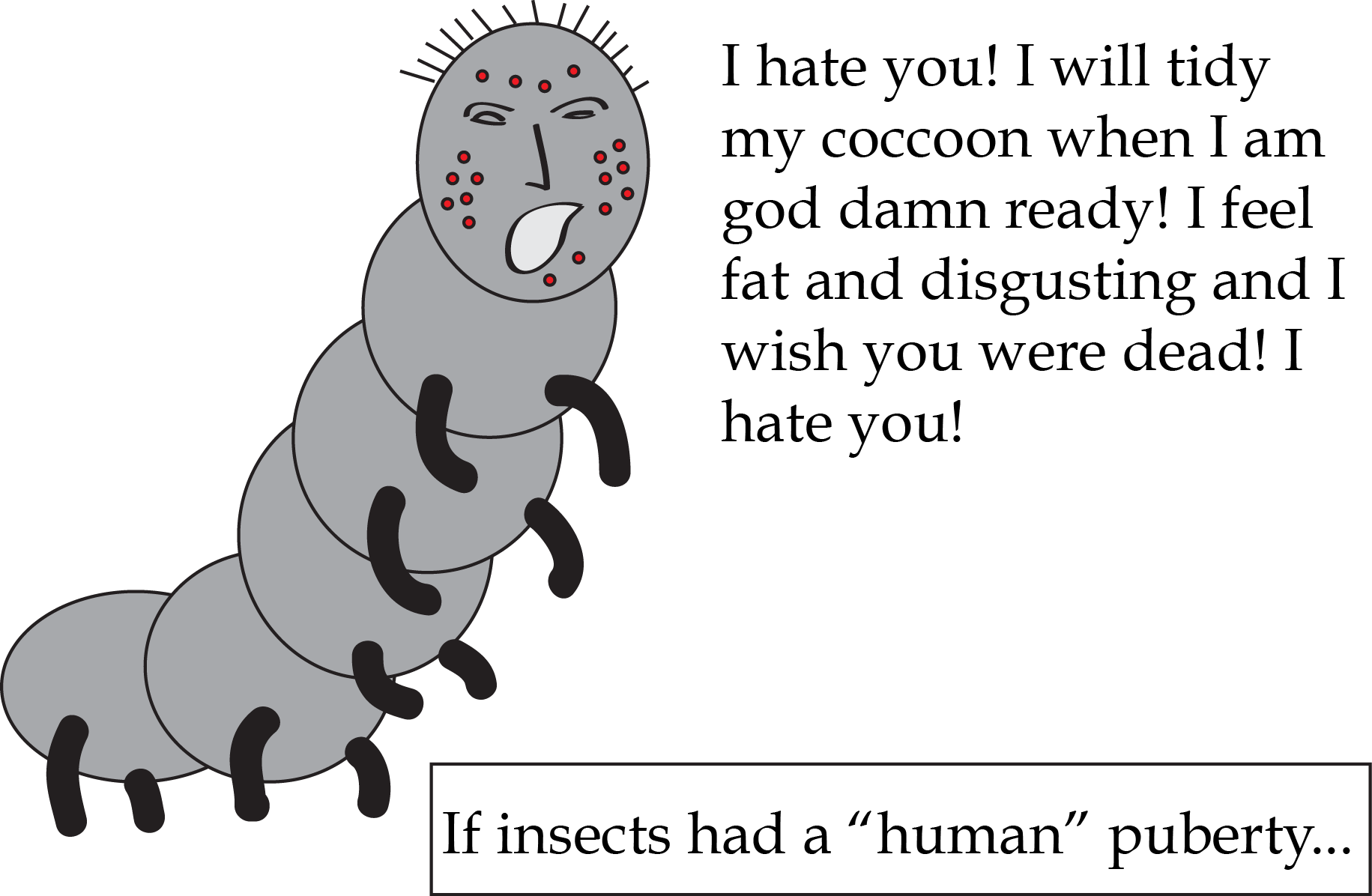
Insects get to undergo puberty in private, cocooned within a chrysalis. Humans have to do it in public. The biological form is difficult enough, but undergoing one’s scientific puberty is often pretty traumatic too – for both student and supervisor. Continue reading
I was riding a train back from Munich recently and a headline on a free magazine caught my eye. “Einer für Alles”, proclaimed the headline over a picture of youngish German theatre director Florian David Fitz, “Er schauspielert, schreibt, und fuhrt Regie”. (He acts, writes, and directs)
It’s clearly a broad portfolio for one of our cousins in the Arts, and one that few manage to replicate. Yet acting, writing, and directing are essentially different facets of the same process – the writer constructs a part, the performer brings it to life, and the director guides and oversees the process. Shifting between these roles, while undeniably challenging, is primarily a shift in perspective and responsibility (are you taking charge of one character, or many?).
Conversely, a scientist must be an able experimentalist, a good writer, a good presenter, a good teacher, and a good leader and mentor. And these activities have far less in common than writing/acting/directing for theatre – the scientific mindset must be channelled into a wide range of academic conduits, few of which come naturally. Continue reading

Discussion is the lifeblood of scientific research, but it’s often an unnerving experience to raise your hand and ask a question in a scientific seminar. The following is intended as a short self-help guide to overcome that pesky psychological hurdle…
Continue reading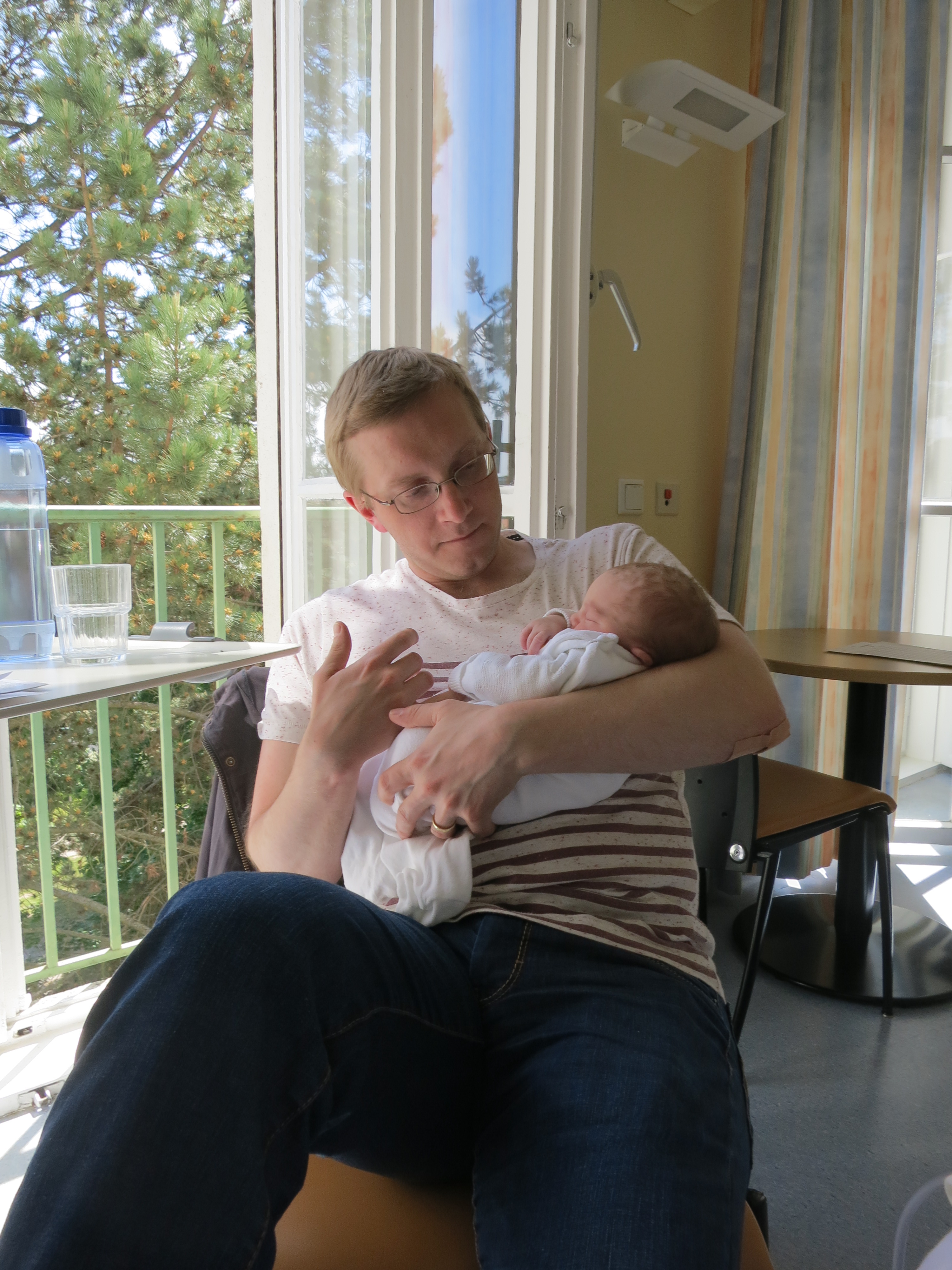
…is another baby, according to Ace of Base. But is there a “right” time to have kids when you’re a scientist in academia? Continue reading
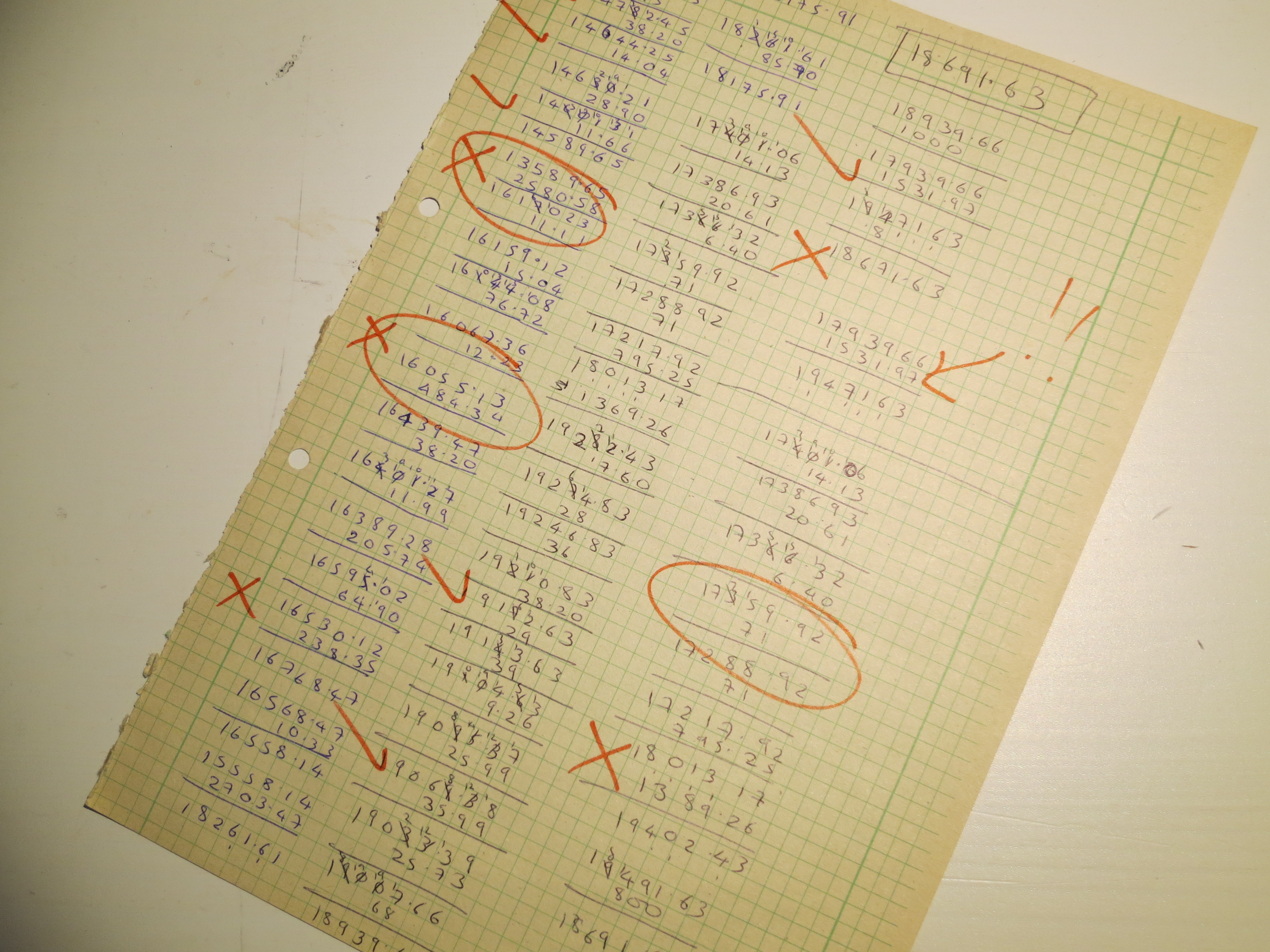
I hate making mistakes. Worse than that, I fear making mistakes. The realisation that I’ve made an error – or sometimes, just the thought that I might have made an error – is enough to bring on pinpricks of sweat, an urge to run away, and a noticeable loss of composure. Continue reading

“It was a fact of life that there was no crueller master than an ex-slave” (Robert Harris, “Pompeii”). Continue reading
 Total Internal Reflection