
It’s a shame that the prevailing emotion upon acceptance of a paper tends to be relief rather than elation. Continue reading

It’s a shame that the prevailing emotion upon acceptance of a paper tends to be relief rather than elation. Continue reading
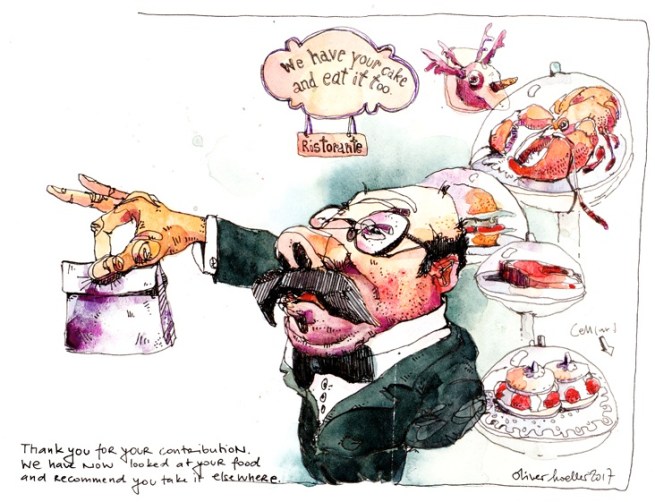
A lighthearted post this week. What would the publishing landscape be like, if journals were restaurants instead of publications? TIR offers its own, definitely not Michelin-starred, guide…

A quick tip of the hat from TIR to the American Society for Microbiology’s journal mSphere, for pioneering a new paradigm in the scientific publishing process. Continue reading

Research nowadays is fixated with the notion of generating “high impact” work. “High impact” work is published in “high impact” journals and funding bodies are looking for “high impact” proposals to support. An appealing comparison can be drawn with the world of music, which has its own synonym for the phrase.
It’s “mainstream”.
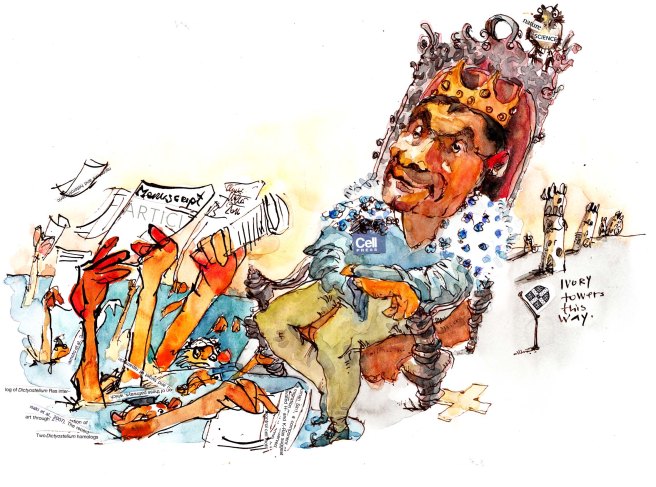
Who decides who the recipients of postdoctoral Fellowships are?
Who decides who the candidates for junior faculty positions are?
Who decides whether or not someone gets tenure? Continue reading
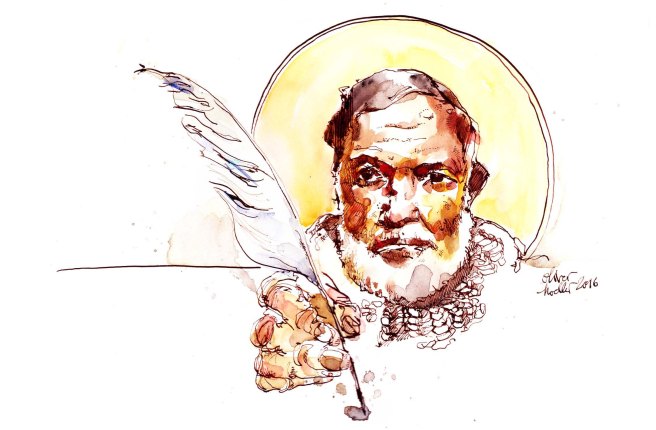
It’s an unacknowledged truth that scientific English is a distinct dialect. But who should be regarded as its architect? Continue reading

In science, when you’ve got a story that’s ready for publication, you have to decide where to send it – and the choice is far from inconsequential. Continue reading

What’s the real purpose of scientific figures?
There’s a common misconception that they’re to show what we did. Continue reading

Could rugby teach scientists how to approach the review process?
On the night before the England rugby team attempt to win a first Six Nations grand slam since 2003, it seemed appropriate to have a rugby-themed posting. For those who are not fans of the game with the funny-shaped ball, bear with me… Continue reading

 Total Internal Reflection