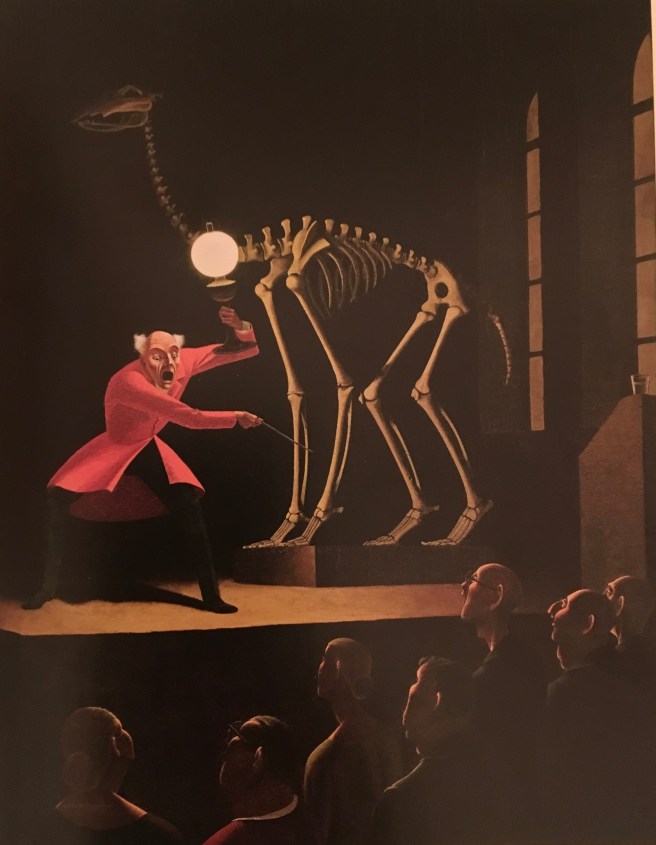
It’s arguably never been more important for young scientists to be able to present their data in person. Here’s TIR’s guide to preparing and delivering scientific presentations, and how to handle the questions afterwards. Continue reading

It’s arguably never been more important for young scientists to be able to present their data in person. Here’s TIR’s guide to preparing and delivering scientific presentations, and how to handle the questions afterwards. Continue reading

With the reproducibility crisis in science showing no signs of abating, it’s never been more important to clearly communicate how rigorously your data were obtained. Here’s TIR’s short guide to technical replicates, biological replicates, independent experiments, and what they do and don’t tell you. Continue reading
We have a guest posting this week from Prof. Tim Skern of the Max F. Perutz Laboratories in Vienna, Austria. As well as providing a counterpart to TIR‘s earlier post on how to choose a PhD position, Tim also offers a number of recommendations for how to handle yourself in PhD interviews.

In the latest of our “How to…” guides, we’ll be looking at how to choose a postdoc position in academia.

TIR‘s guides to writing scientific papers, writing scientific English, and asking questions in seminars remain some of its most popular posts. But there’s one really important decision that comes before any of those things can happen – choosing a PhD. The choice of a PhD is one of the hardest decisions a young scientist has to make, partly because it’s very difficult to know what the relevant parameters are. Continue reading

In the latest “How to…” post, TIR will be offering some suggestions for how to write a scientific report or manuscript. A longer and more detailed version is also available for download. Continue reading

TIR‘s guide to asking questions in scientific seminars (“Catechism“) remains one of the most popular to date, and in a similar vein we’ll be producing a series of “How to…” guides to cover some of the essential but often counterintuitive skills needed by the modern researcher. First up: a short guide on how to write scientific English. Later on we’ll look at how to actually produce a full scientific report/paper. Continue reading

Discussion is the lifeblood of scientific research, but it’s often an unnerving experience to raise your hand and ask a question in a scientific seminar. The following is intended as a short self-help guide to overcome that pesky psychological hurdle…
Continue reading
