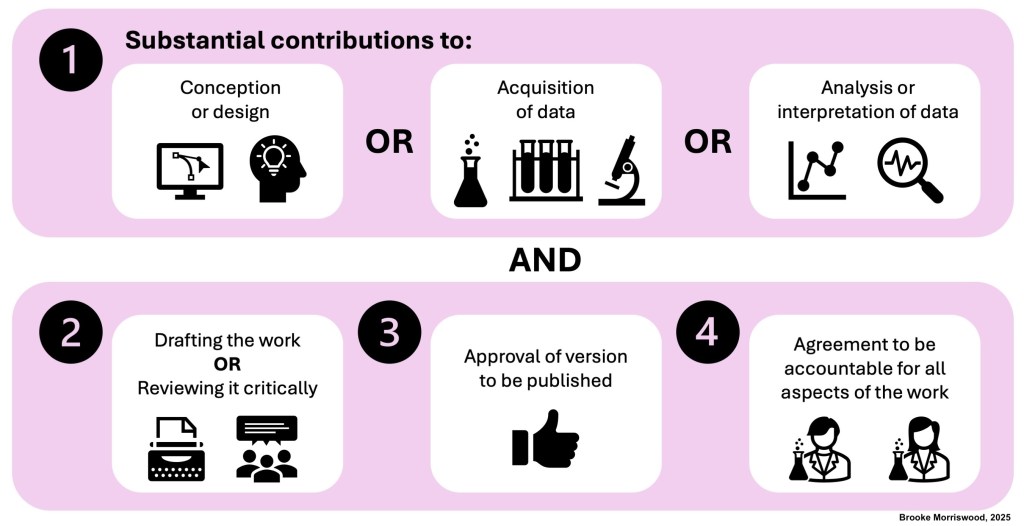
Did you know that there are actually guidelines for determining authorship on scientific papers?
Continue reading

Did you know that there are actually guidelines for determining authorship on scientific papers?
Continue reading
Group leaders nowadays bear a huge individual responsibility for raising money. But what if it was departments, and not group leaders, that were the unit of selection?
Continue reading
There’s a reason why the chainsaw is such an apt symbol for the current assault on American science: because you can cut a tree down in minutes, but growing it back takes decades.
Continue reading
In January 2023, the journal eLife – long at the vanguard of the progressive movement in scientific publishing – took the radical step of adopting a “publish, review. curate” model. Here, with some background framing, is what it feels like to use it.
Continue readingMore than ever, I feel that the story of my generation of scientists is one of a migration out of academia and into different avenues where those scientific skills can be put to fresh use. It’s an adventure, a leap, a journey, and one that Jess tells better than most. This posting not only contains some great reflections on the jobseeking process for academics striking out into the private sector, but also has some super nuggets of practical advice.

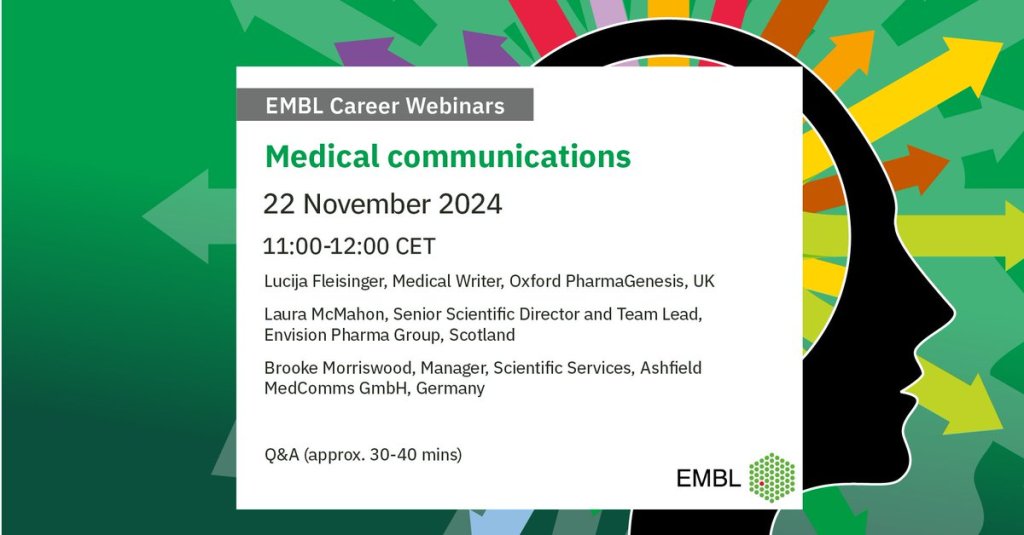
Medical Communications (MedComms) might just be the best industry career option out there for scientists who most enjoy the writing/communicating/organising parts of the job, and on 22nd November 2024 the EMBL Fellows’ Careers Service hosted a webinar about it. The panel members were:

It’s not just scientists that get old. Scientific fields have their own lifetimes, just like people.
Continue reading