I’m a preprint fan. All the research papers from my final period in academia were posted as preprints before being submitted to journals, and I’ve also utilised preprint peer review services at Research Commons and eLife.
But in my present work as a medial writer, where I’m involved in the publication and dissemination of industry-funded biomedical research, I am slowly realising that many of the things that make preprints so fantastic in the biological sciences simply don’t apply in biomedical science, or not to the same extent.
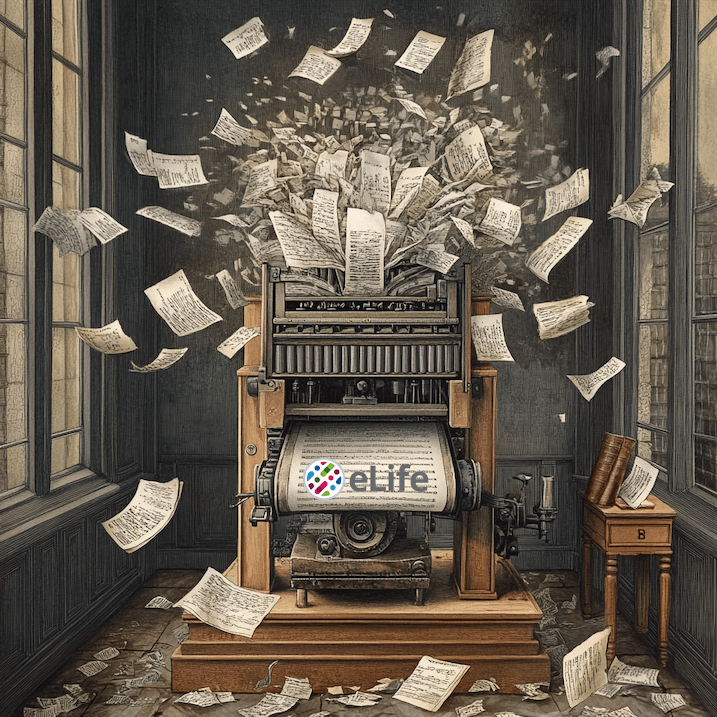
In January 2023, the journal eLife – long at the vanguard of the progressive movement in scientific publishing – took the radical step of adopting a “publish, review. curate” model. Here, with some background framing, is what it feels like to use it.
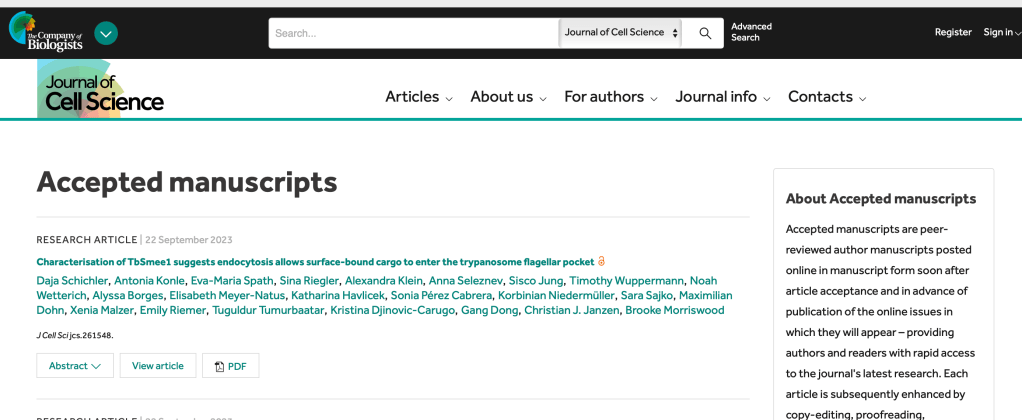
I don’t usually blog about my actual research, but this week one of my last papers was published, a characterisation of the protein TbSmee1 in the unicellular eukaryotic parasite Trypanosoma brucei (here). “Mr Smee” has had a long and painful genesis, and in many ways the story of this paper is the story of my own research group, and one I definitely plan on telling at a later date.
For now though, the paper is worth highlighting because I think it illustrates a number of features of contemporary publishing dynamics, peer review, and the importance of frontline research to undergraduates.
Marcelo Bacciarelli, “Allegory of Justice” (~1792)
Highlighting good-quality work post-publication might be more feasible and of more value than attempting to police data integrity.
It’s the dream of open science: people post their work online, the community reviews it and provides constructive feedback, and then the authors correct their findings based on that feedback. Any new knowledge produced is rapidly and expertly assessed by the community as a whole, thereby maximising the input that the authors receive as they continue to pursue their lines of enquiry. Everyone participates, everyone benefits.
It sounds great, right? The problem is that almost nobody in the community voluntarily reviews others’ work. We’re all too busy. Peer review is a community service that does not have the cold hard reputational currency of grants and publications, and while appreciated, it is nonetheless undervalued in career terms. Preprints have belatedly and wonderfully achieved mainstream recognition in the biological sciences, but the majority of chatter for the majority of preprints is publicity-based. The comments area of most preprints is empty, with only around 8% of accruing public input.
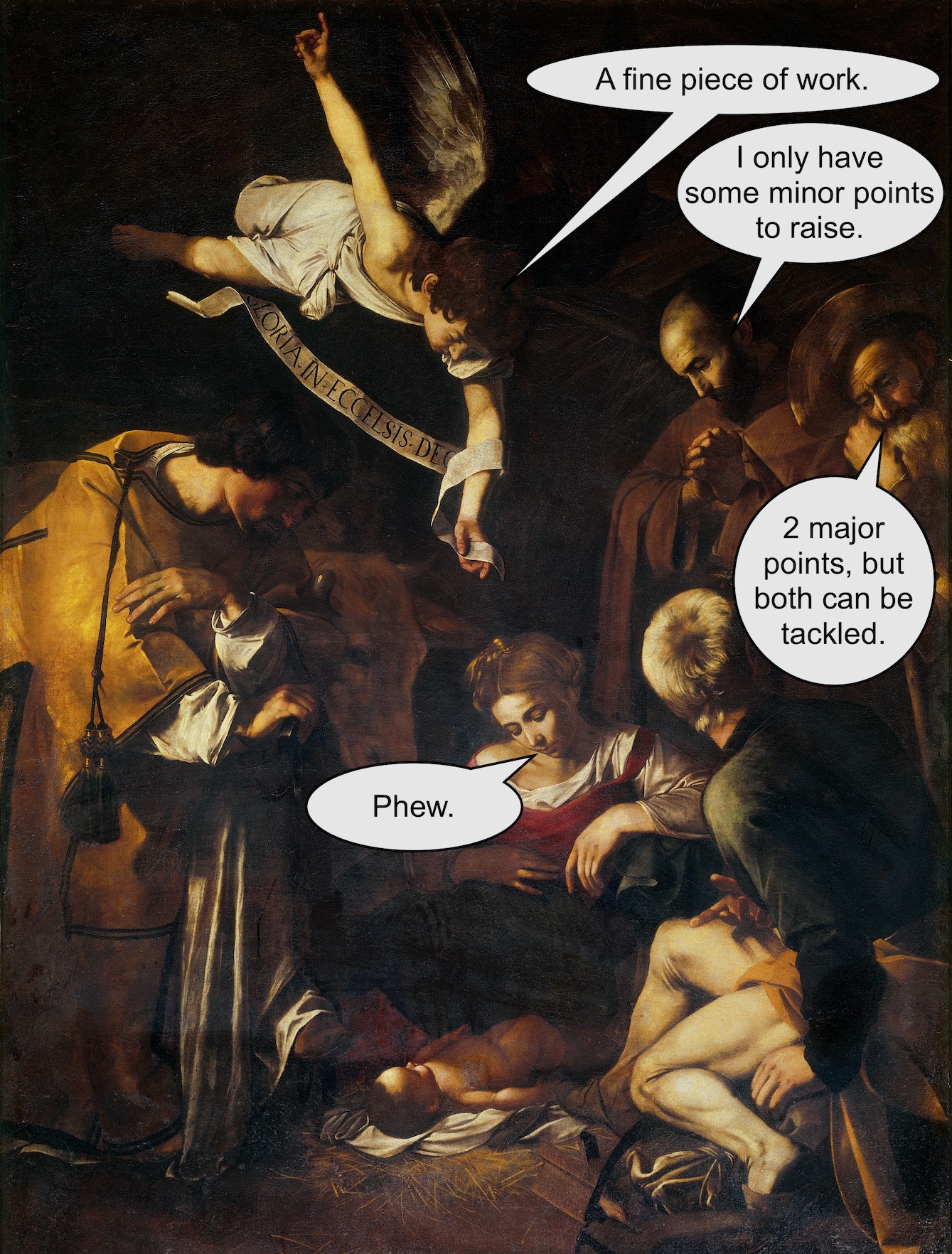
Caravaggio, “Nativity with St. Francis and St. Lawrence”
Being asked to review a paper is one of the biggest but commonest responsibilities a scientist has to take on. Here are some tips for how to go about it. Continue reading →
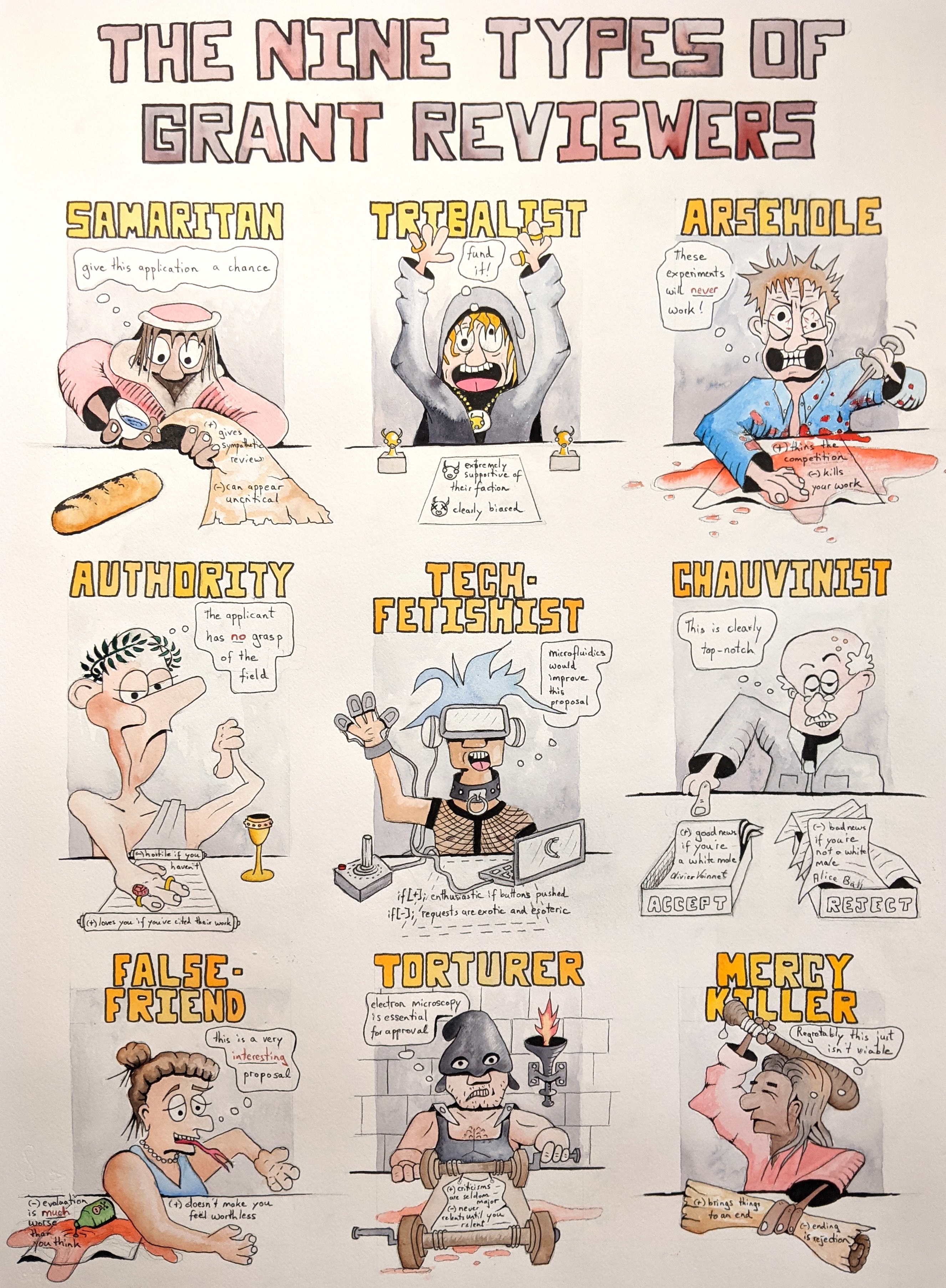
We’ve already looked at the 9 types of peer reviewers, but you tend to encounter a slightly different breed when it comes grant reviews… Continue reading →
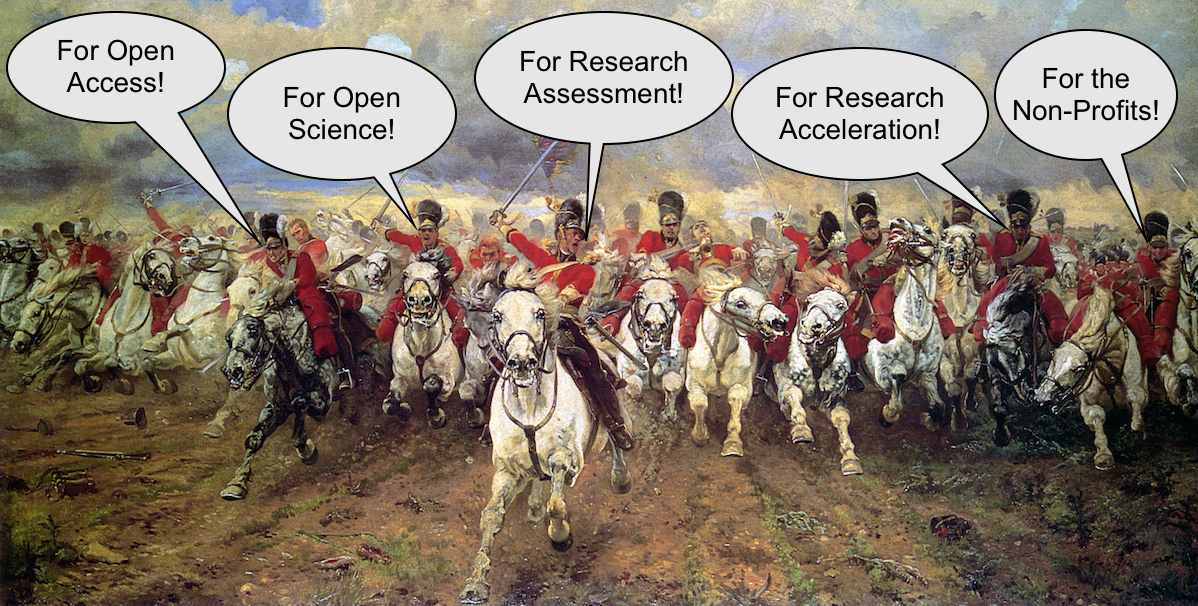
Scotland Forever! by Elizabeth Thompson, Lady Butler
Almost everybody agrees that the scientific publishing paradigm has to change – but that change might come faster if progressives could agree on what to alter first. Continue reading →





 Total Internal Reflection