
We don’t train young scientists how to review papers. Continue reading

We don’t train young scientists how to review papers. Continue reading
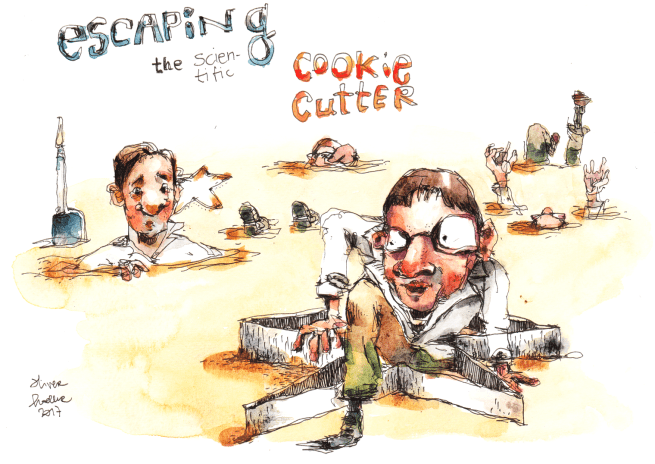
Students and postdocs cannot simply be clones of their mentor. Continue reading

It’s widely accepted that there is a logjam in the academic career stream. There are too many postdocs for too few faculty positions. The average age for achieving full independence is rising, and the postdoctoral period has gone from being a second apprenticeship to an indefinite stay in limbo. One proposed solution is contraceptive – that we should train fewer PhDs. It’s wrong.

One of the most thought-provoking economics reads of the last few years, Daron Acemoglu and James Robinson’s “Why Nations Fail“, basically picks up where Jared Diamond’s “Guns, Germs, and Steel” left off. But what’s the link to mentoring?
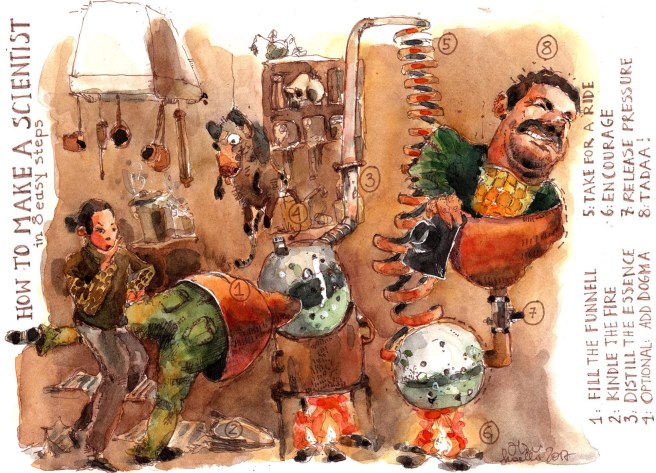
Alchemists of the Middle Ages sought to discover the Philosopher’s Stone – a miraculous substance capable of transmuting base metals (e.g. lead) into noble ones (e.g. gold). Alchemy of a different kind goes on nowadays in scientific laboratories, but its goal is broadly the same – transforming undergraduates and postgraduates into mature scientists. Continue reading
If you’re running a lab, will you get more from people if you praise their successes or criticise their failures? Continue reading
Whether you’re working in the world of commerce, sports, science, or just about any sphere of human endeavour, chances are that if you progress far enough you’ll be asked to take responsibility for leading a team. But to do so successfully – in other words, to get the best out of people – is far from easy, or straightforward. Continue reading

Insects get to undergo puberty in private, cocooned within a chrysalis. Humans have to do it in public. The biological form is difficult enough, but undergoing one’s scientific puberty is often pretty traumatic too – for both student and supervisor. Continue reading
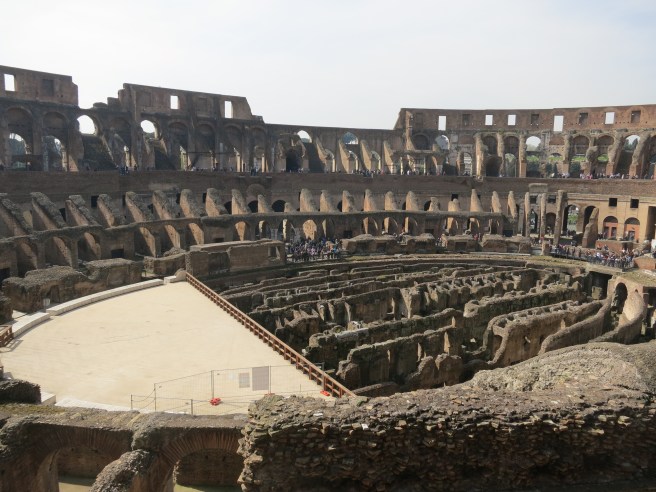
“It was a fact of life that there was no crueller master than an ex-slave” (Robert Harris, “Pompeii”). Continue reading

 Total Internal Reflection