
A quick heads-up on an article that every young scientist – especially those fighting for or about to seek independent funding – should read.


You need diversity in the funding landscape in order to maintain its health. Continue reading

Life in academia involves repeated brushes with imminent career extinction. Continue reading
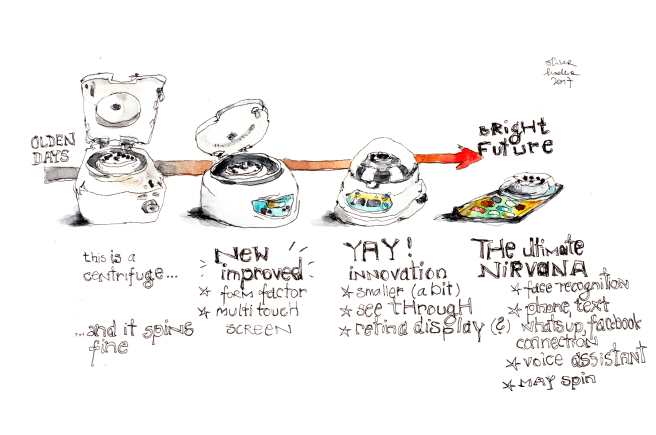
Scientists who don’t rush to embrace new techniques and assays risk an uphill struggle to win funding.

What do good scientific research and hardcore pornography have in common? Continue reading

In benchwork, learning from your mistakes is an important, essential, and helpful part of the tuition process. There are so many variables to control in the average molecular biology experiment that those with anything less than the greenest of green fingers will probably need several iterations to get publication-quality data. Ironically though, it’s often best when things don’t go right the first time.
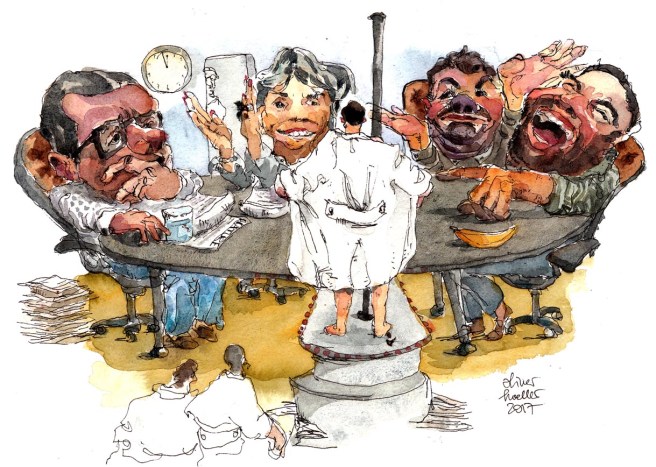
In medicine, especially battlefield medicine, the triage system is used to ensure that time is apportioned in the most efficient manner possible. Adopting a similar system might make assessments in science more satisfactory, and fairer. Continue reading

Historical accounts of the early days of molecular biology are always galvanising. The protagonists, bold in spirit and cheerful in manner, set off like Dick Whittington in search of their own (conceptual) fortune. With a trusty fellowship under their arm and a skip in their step, these intrepid postdocs jauntily unite with a chosen mentor before ultimately establishing their own independent laboratories. It always sounds thrilling, and beguilingly easy. Continue reading

If you’re acquainted with the scientific literature, whether it’s papers, grants, or press releases, chances are that the following word formulae will be very familiar: Continue reading
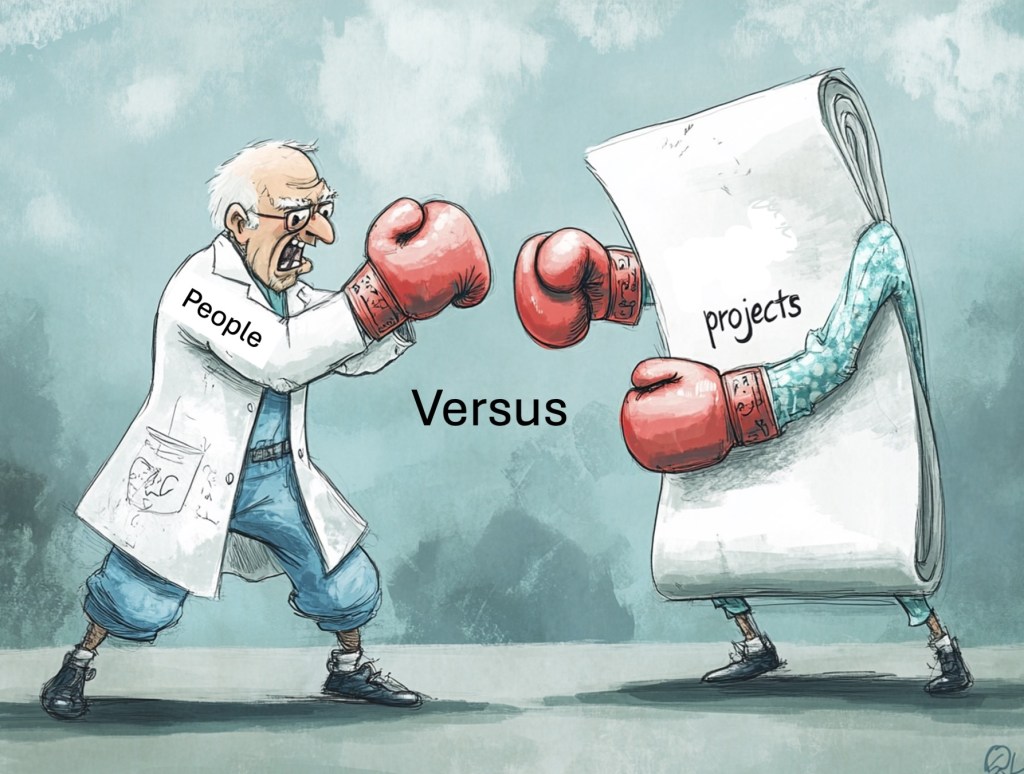
It’s one of the trickiest conundrums in the whole research enterprise – should you fund people, or projects? Ernst Gombrich opined in his History of Art that “There really is no such thing as art. There are only artists”, but when it comes to research money, where should it be directed – to the science, or the scientists? Continue reading
 Total Internal Reflection